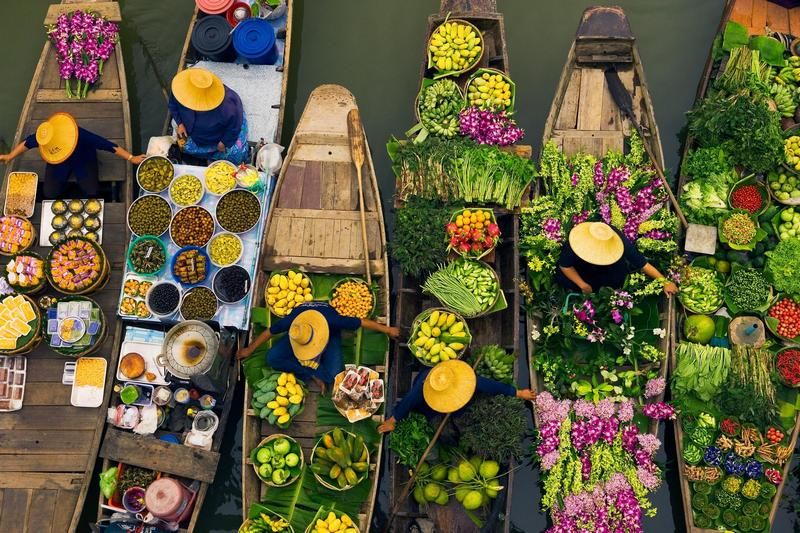
Mekong Delta: A Journey Through Vietnam’s River Life. Known as the “rice bowl of Vietnam,” the Mekong Delta is a vast, fertile region where life revolves around water. This southern landscape is defined by an intricate network of rivers, canals, and lush greenery, offering travelers a completely different experience from Vietnam’s bustling cities.
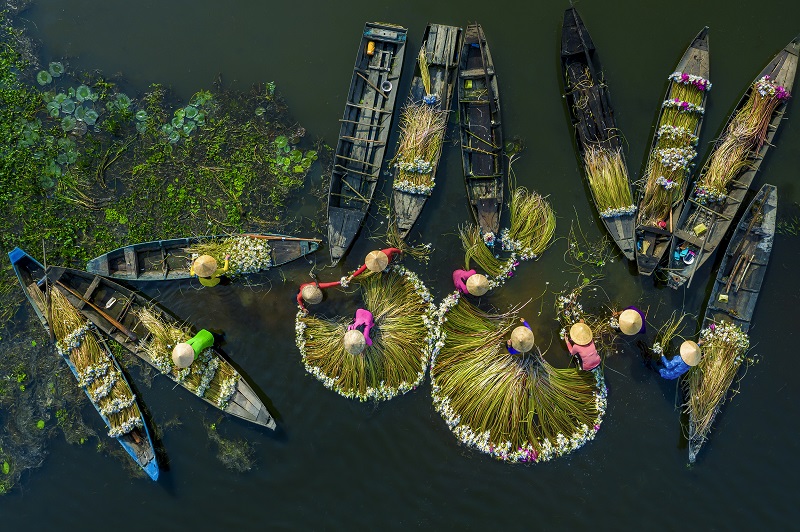
From floating markets and fruit orchards to quiet villages and vibrant local culture, the Mekong Delta invites you to slow down and immerse yourself in an authentic way of life. In this guide, you’ll discover the best things to do, places to visit, local food to try, and essential travel tips for exploring this unique region.
Where is the Mekong Delta?
The Mekong Delta is located in southern Vietnam, where the Mekong River reaches the sea after traveling through six countries. Covering over 40,000 square kilometers, this region includes 13 provinces and plays a crucial role in Vietnam’s agriculture. The Mekong Delta is located in the southernmost region of Vietnam, bordering Cambodia to the northwest and Ho Chi Minh City to the northeast. It is a vast, low-lying region covering approximately 39,000 square kilometers, where the Mekong River branches into a massive network of rivers, islands, and canals before draining into the East Sea.
Often referred to as the “Rice Bowl of Vietnam,” the Mekong Delta produces more than half of the country’s rice, along with a wide variety of tropical fruits and seafood.
Geography, Climate & Soil of the Mekong Delta
Geography Overview
The Mekong Delta is characterized by its flat terrain and dense network of rivers and canals. Water is the lifeblood of the region, shaping not only the landscape but also the daily lives of its people.
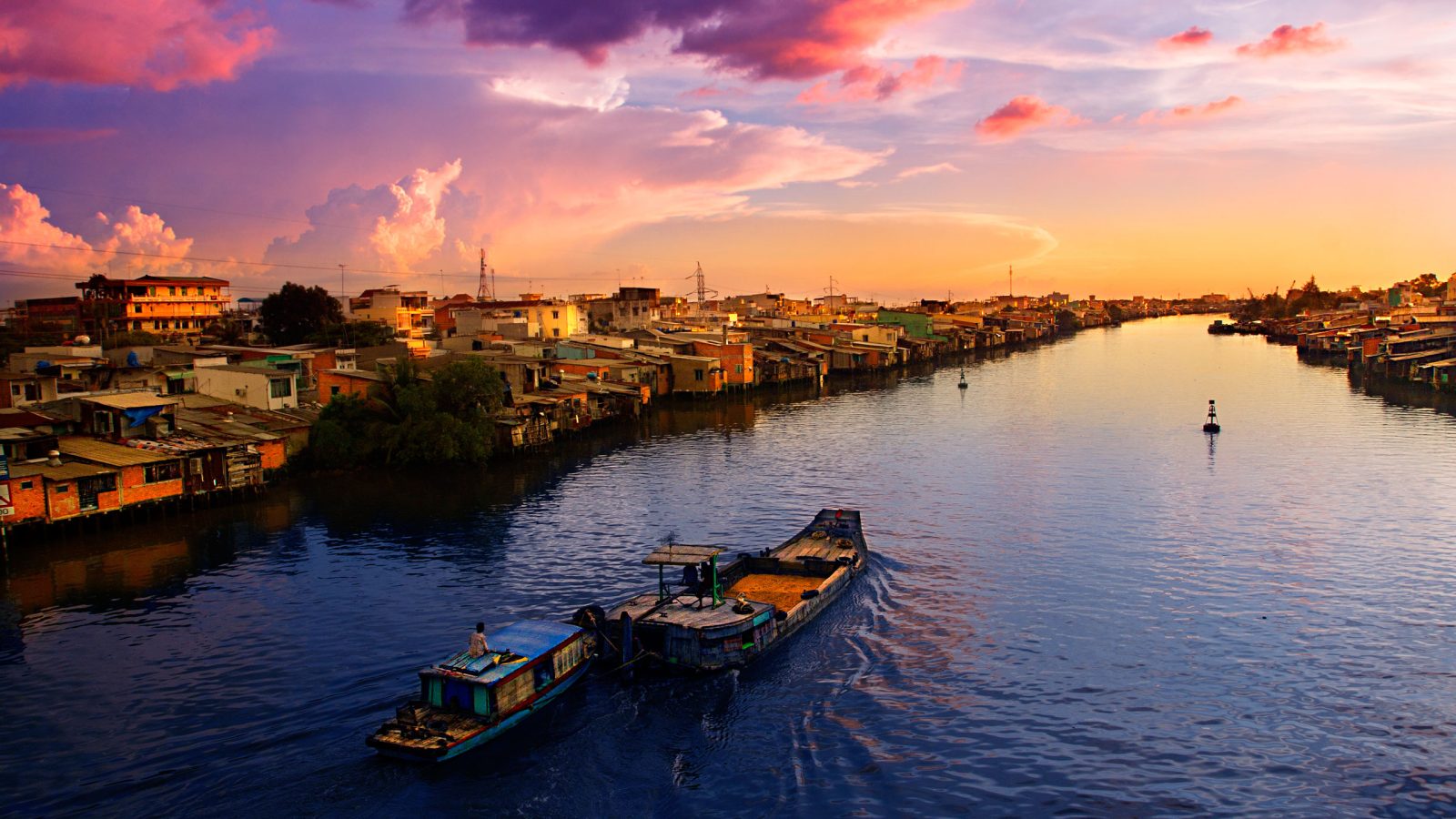
Villages, markets, and even homes are built along waterways, making boats the primary mode of transportation in many areas.
Climate in the Mekong Delta
The Mekong Delta has a tropical monsoon climate, meaning it stays warm throughout the year with high humidity. There are two main seasons:
- Dry season (December to April): Hot, sunny, and relatively less humid
- Rainy season (May to November): Frequent but short tropical showers
One of the most unique periods is the flood season (September to November), when rising water levels transform the landscape into a vast, reflective water world.
Fertile Soil & Agriculture
Thanks to rich alluvial soil deposited by the Mekong River, the region is one of the most fertile agricultural areas in Southeast Asia.
The Mekong Delta is famous for:
- Rice production
- Tropical fruits like mango, durian, and rambutan
- Aquaculture and fishing
This abundance of natural resources is what makes the region both economically vital and visually stunning.
🌴 Why Visit the Mekong Delta?
🚤 A Unique River-Based Lifestyle
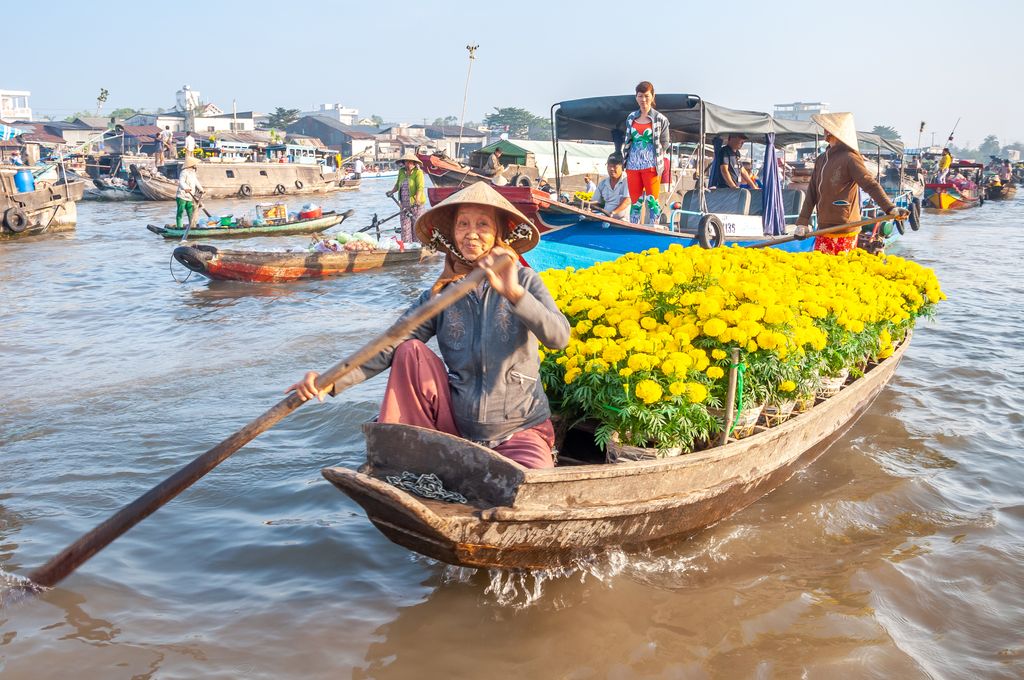
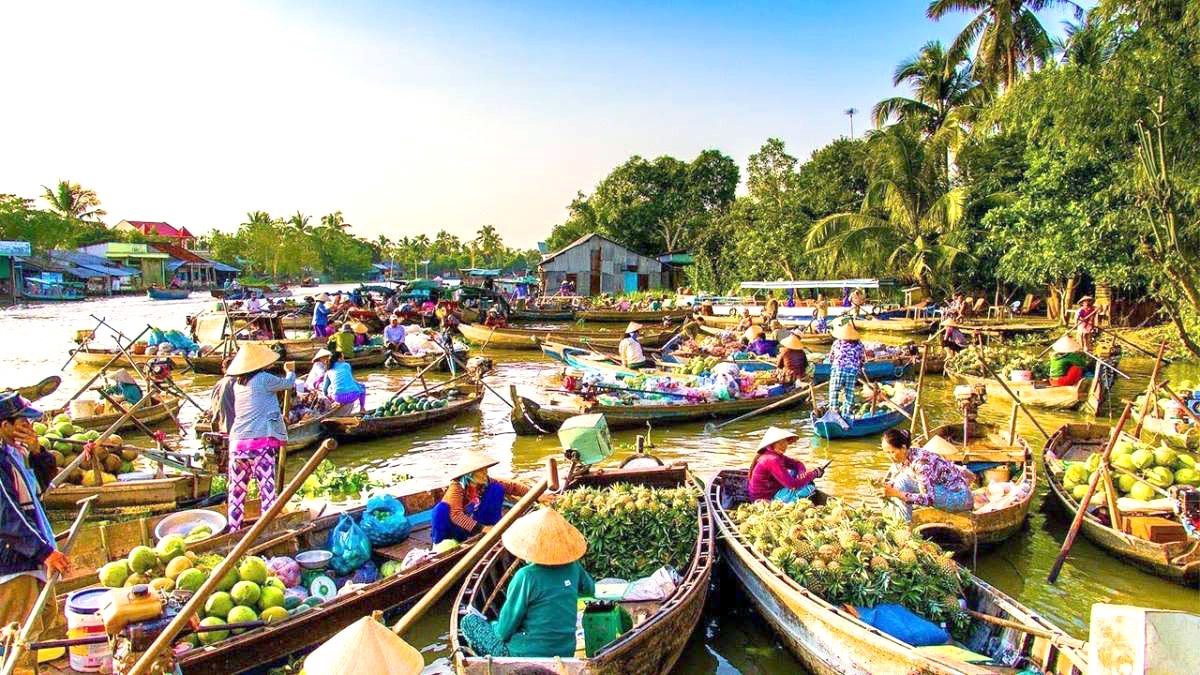
Life in the Mekong Delta is deeply connected to the waterways of the Mekong River. Boats are the main means of transportation, and many houses are built along rivers or on stilts. Floating markets like Cai Rang Floating Market offer a vibrant glimpse into daily life. This river-based culture creates a truly unique and unforgettable experience.
🤝 Rich Culture & Friendly Locals
The people in the Mekong Delta are known for their warmth and hospitality. Visitors are often welcomed with genuine smiles and kindness. The region’s culture reflects a blend of Kinh, Khmer, and Chinese influences. Traditional music like “Đờn ca tài tử,” recognized by UNESCO, adds to its cultural richness.
🌿 Lush Nature & Biodiversity
The Mekong Delta is famous for its endless green landscapes and fertile land. You’ll see rice paddies, fruit orchards, and coconut groves, especially in Ben Tre. The region is home to diverse ecosystems, including wetlands and flooded forests. Places like Tra Su Cajuput Forest are perfect for nature lovers and wildlife exploration.
🍍 Delicious & Authentic Cuisine
The Mekong Delta offers a rich variety of fresh and flavorful dishes. Local food is made from ingredients sourced directly from rivers, farms, and gardens. Popular dishes include grilled snakehead fish, “lẩu mắm” (fermented fish hotpot), and crispy bánh xèo. Visitors can also enjoy tropical fruits like mango, rambutan, and durian right where they are grown.
Best Places to Visit in the Mekong Delta
🌾 1. Can Tho – Cultural & Economic Heart of the Mekong Delta
Can Tho is the largest city in the Mekong Delta and serves as its cultural, commercial, and transportation hub. It is famous for its river-based lifestyle, where waterways are as important as roads.
🌟 Highlights & Attractions:
- Cai Rang Floating Market – the most famous floating market in Vietnam, where boats sell fruits, vegetables, and local food at sunrise.
- Ninh Kieu Wharf – a scenic riverside promenade ideal for evening walks and boat cruises along the Hau River.
- Can Tho Bridge – a modern symbol of the region connecting important provinces across the Mekong.
- Binh Thuy Ancient House – a well-preserved French colonial mansion over 100 years old, blending Eastern and Western architecture.
- My Khanh Tourist Village – an interactive eco-tourism site where visitors can experience fruit orchards, folk games, and rural activities.
🥥 2. Ben Tre – The Coconut Kingdom
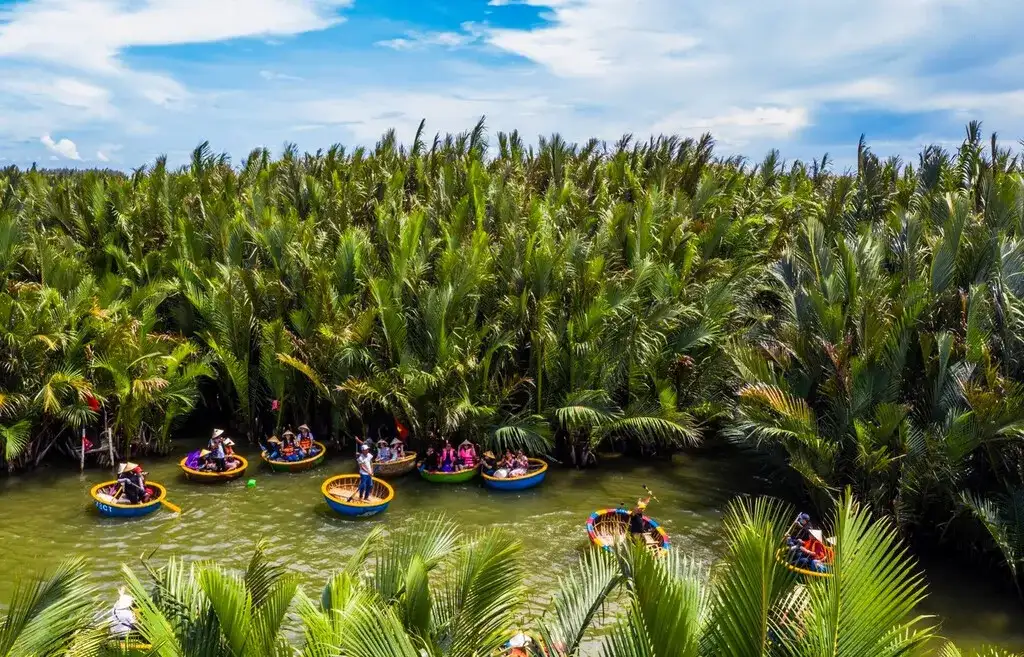
Ben Tre is known as the “Coconut Kingdom” because of its vast coconut plantations and peaceful canal systems. The province offers a slow-paced countryside experience deeply connected with nature.
🌟 Highlights & Attractions:
- Con Phung (Phoenix Island) – a famous river island featuring local religious history and boat tours through coconut-lined canals.
- Con Quy & Con Oc – smaller islets ideal for fruit gardens, cycling, and local homestays.
- Lan Vuong Tourist Area – a popular eco-park with traditional games, rowing boats, and muddy obstacle activities.
- Coconut craft villages – where visitors can see how coconut candy, oil, and handicrafts are produced.
- Chau Thanh countryside – scenic rural areas perfect for cycling and photography.
🌉 3. My Tho – Gateway to the Mekong Delta
My Tho in Tien Giang province is the closest Mekong Delta destination from Ho Chi Minh City, making it a popular starting point for river tours. The city is known for its peaceful riverside scenery, lush orchards, and relaxed countryside atmosphere. Visitors can easily experience traditional boat rides along the Tien River and explore nearby islands filled with tropical fruit gardens and local craft villages.
🌟 Highlights & Attractions:
- Thoi Son Island – a lush island famous for fruit orchards, traditional music performances (Don Ca Tai Tu), and canal boat rides.
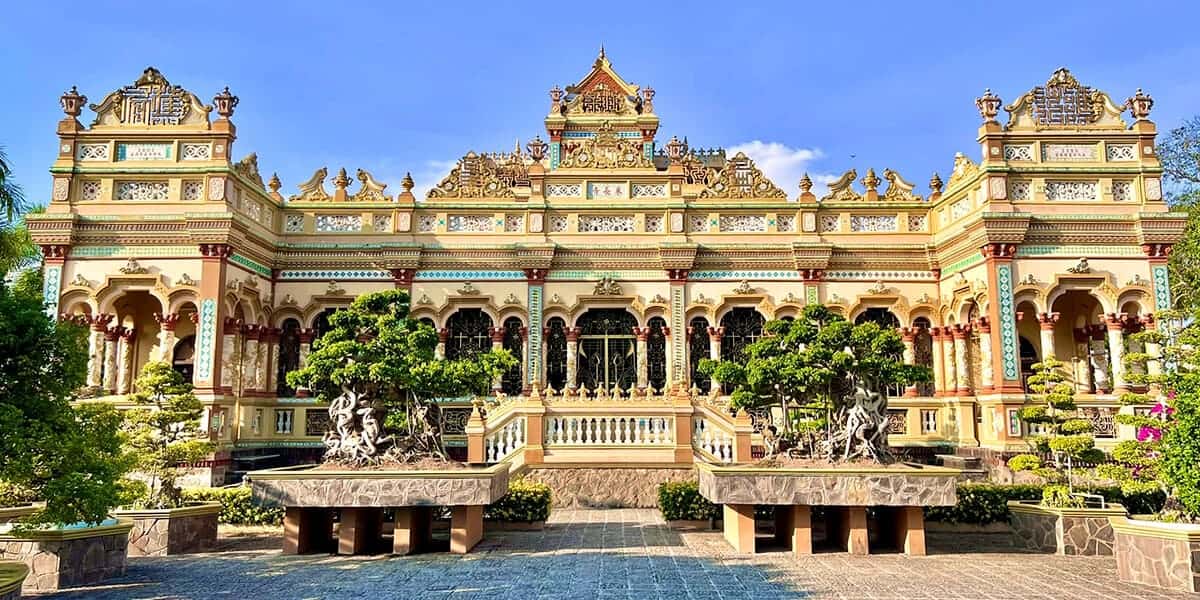
- Vinh Trang Pagoda – one of the largest and most beautiful Buddhist temples in southern Vietnam, blending Asian and European architecture.
- My Tho River cruises – scenic boat trips along the Tien River with stops at local craft villages.
- Local markets – offering tropical fruits, dried specialties, and southern Vietnamese street food.
🏔️ 4. An Giang – Spiritual Landscapes & Mountain Beauty
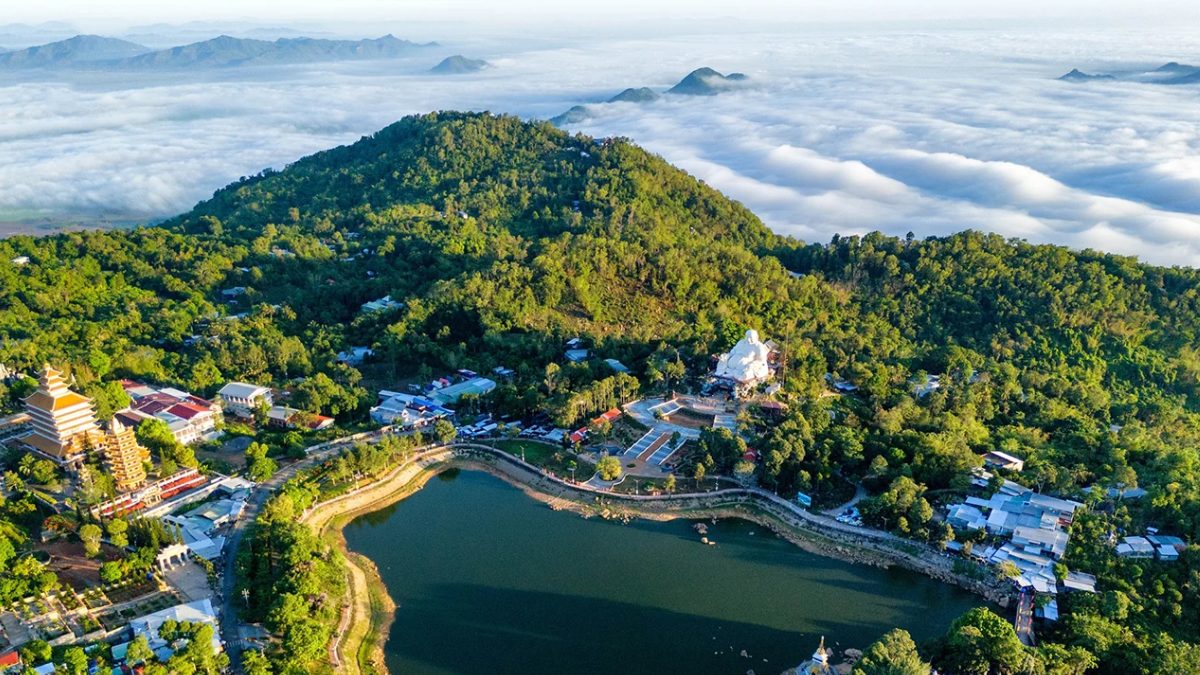
An Giang is a landlocked province in the northwestern part of the Mekong Delta, bordering Cambodia along a long stretch of its frontier. Its capital city is Long Xuyen, and the province is recognized for its rich cultural diversity, home to Vietnamese, Khmer, Chinese, and Cham ethnic groups. Unlike much of the flat Mekong Delta, An Giang stands out with its distinctive hilly landscapes, especially in the Chau Doc area.
🌟 Highlights & Attractions:
- Sam Mountain (Nui Sam) – a major pilgrimage destination with panoramic views over rice fields.
- Ba Chua Xu Temple – one of the most important spiritual sites in southern Vietnam, attracting millions of pilgrims annually.
- Tra Su Cajuput Forest – a stunning flooded forest ecosystem with boat rides through green duckweed-covered waters.
- Tay An Pagoda – a unique architectural mix of Indian and Vietnamese styles.
- Cham villages along the Hau River – offering insight into the Muslim Cham ethnic culture.
🌿 5. Dong Thap – Lotus Fields & Wild Wetlands
Dong Thap is a peaceful province in the northern part of the Mekong Delta, best known for its endless lotus fields, rich wetland ecosystems, and authentic rural charm. Unlike the busier tourist hubs, Dong Thap offers a slower, more tranquil atmosphere where nature and local life remain closely connected.
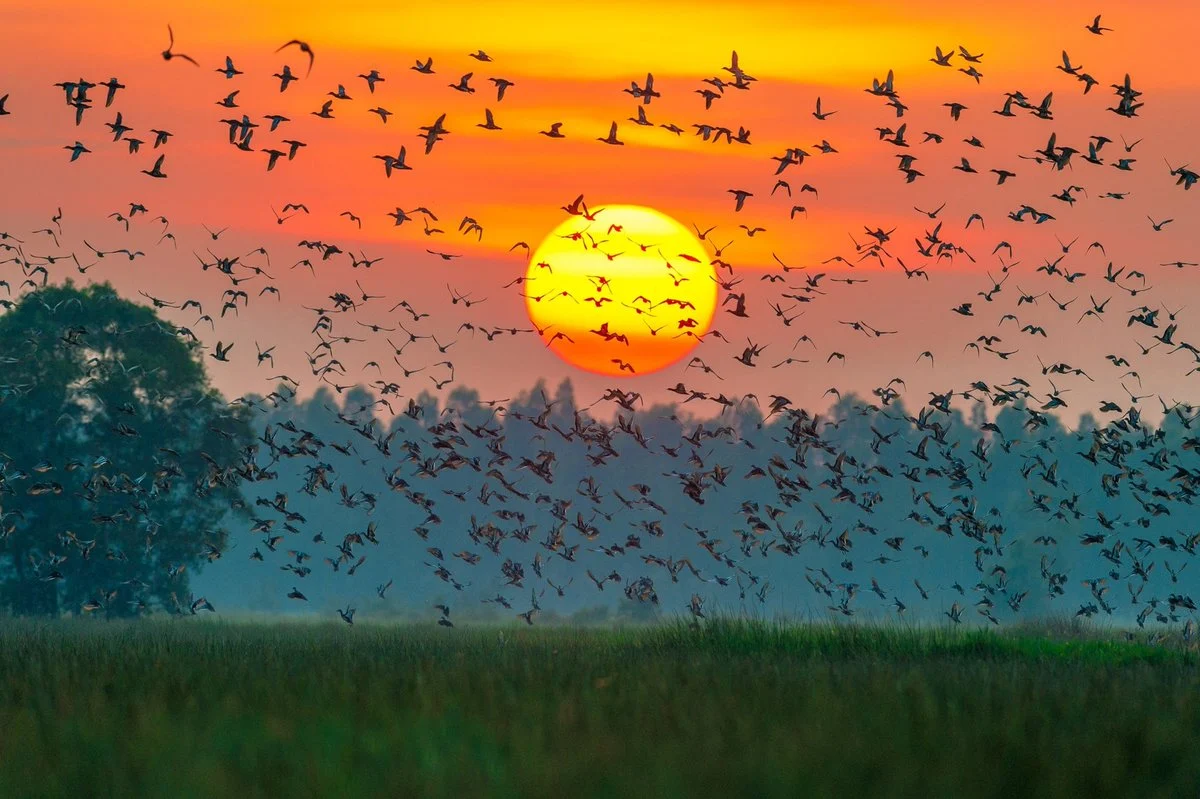
Thanks to its vast lowland geography and nutrient-rich soil, the province has become one of the most important ecological and agricultural areas in southern Vietnam, especially for rice farming, lotus cultivation, and wetland biodiversity.
🌟 Highlights & Attractions:
- Tram Chim National Park – a Ramsar-listed wetland home to rare birds. A UNESCO-recognized wetland, home to over 200 bird species, including the rare Sarus crane.
- Sa Dec Flower Village – one of the largest flower-growing regions in southern Vietnam, especially vibrant before Tet (Lunar New Year).
- Gao Giong Eco-tourism Area – a peaceful cajuput forest where visitors explore canals by small boats.
- Huynh Thuy Le Ancient House – associated with the famous novel The Lover by Marguerite Duras.
- Lotus fields in Thap Muoi – iconic pink landscapes during blooming season.
🌾 6. Vinh Long – Authentic River Life Experience
Vinh Long is located in the heart of the Mekong Delta, nestled between the Tien and Hau rivers. The province is known for its peaceful island landscape, fertile alluvial soil, and traditional rural lifestyle that still preserves its authentic charm. Unlike more touristy destinations, Vinh Long offers a closer, more intimate look at everyday life along the Mekong River, where boating, farming, and fruit cultivation shape the rhythm of the community.
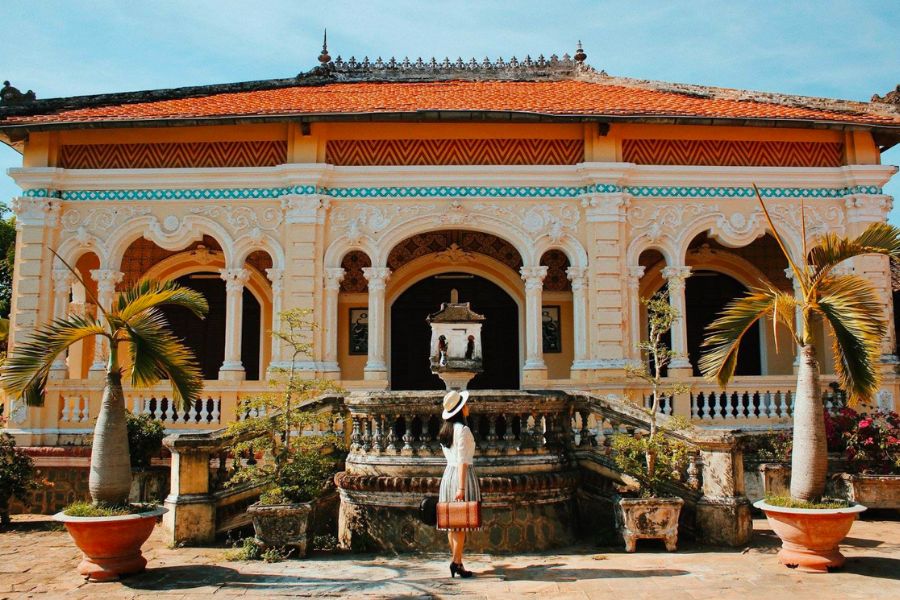
🌟 Highlights & Attractions:
- An Binh Island – a peaceful area with homestays, fruit gardens, and cycling routes.
- Local fruit orchards – famous for rambutan, mango, and longan harvesting experiences.
- Cai Cuong Ancient House – a historical Southern Vietnamese mansion.
- Tra On Floating Market – a less touristy but authentic floating market experience.
- Mekong River canals – ideal for boat tours through rural villages.
🛕 7. Soc Trang – Khmer Cultural Heritage
Soc Trang is one of the most culturally diverse provinces in the Mekong Delta, where Vietnamese, Khmer, and Chinese communities have lived together for centuries. The province is especially known for its strong Khmer cultural influence, which is reflected in its architecture, festivals, and spiritual life. With its peaceful countryside, ornate pagodas, and vibrant traditions, Soc Trang offers a unique cultural experience for visitors exploring southern Vietnam.
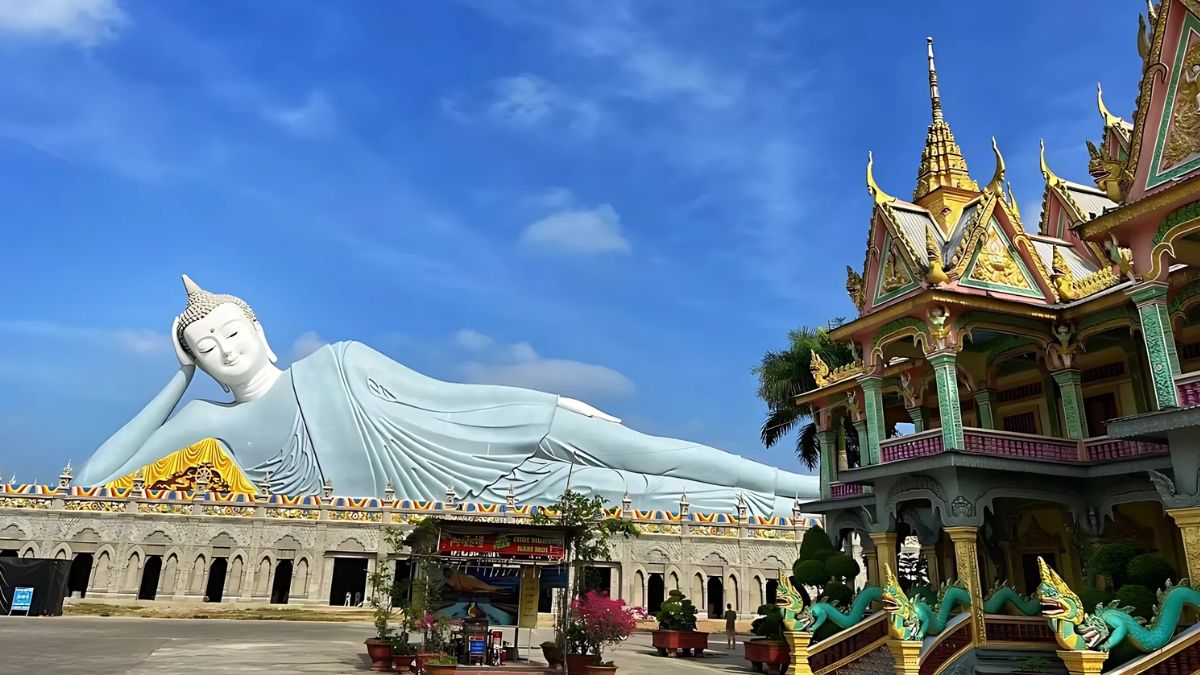
🌟 Highlights & Attractions:
- Doi Pagoda – famous for thousands of bats living in the trees around the temple grounds.
- Clay Pagoda – an extraordinary structure built entirely from clay and wax sculptures.
- Chen Kieu Pagoda – decorated with colorful ceramic fragments.
- Khmer cultural museums – showcasing traditions, costumes, and history.
- Ooc Om Boc Festival – a major Khmer festival featuring traditional boat races.
🌬️ 8. Bac Lieu – Music Heritage & Wind Farms
Bac Lieu is a coastal province in the southern Mekong Delta known for its striking blend of modern renewable energy projects and rich cultural traditions. It is often associated with the birthplace of “Đờn ca tài tử,” a traditional form of southern Vietnamese folk music that reflects the soul and lifestyle of the Mekong region. At the same time, Bac Lieu is also recognized for its impressive offshore wind farms, creating a unique contrast between heritage and modern development.
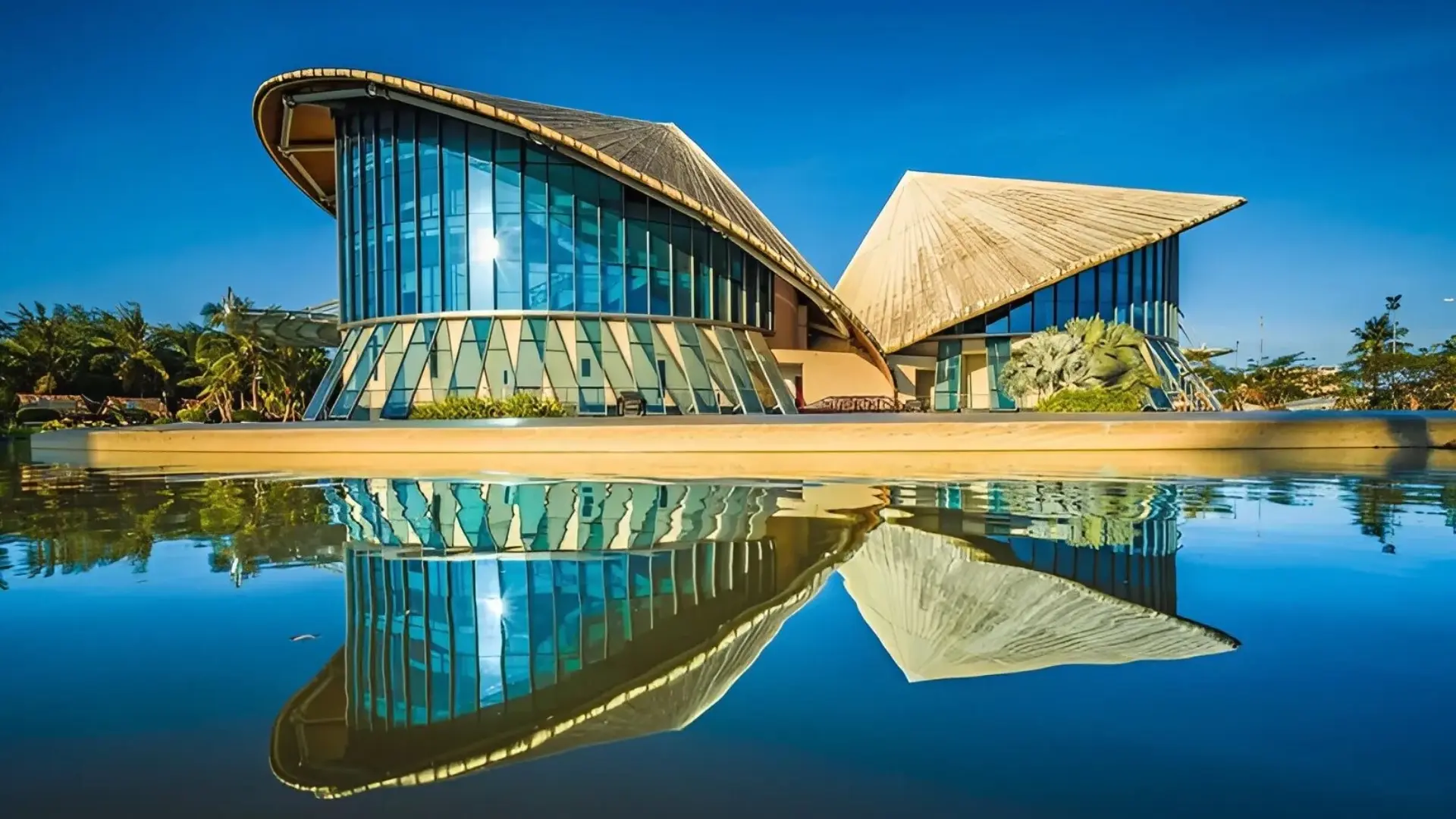
🌟 Highlights & Attractions:
- Bac Lieu Wind Farm – iconic offshore wind turbines, a popular photography spot.
- Bac Lieu Mansion – the historic home of a wealthy landlord’s son, often called the “Bac Lieu Prince.”
- Cao Van Lau Memorial House – honoring the composer of the famous Don Ca Tai Tu music piece “Da Co Hoai Lang.”
- Quan Am Phat Dai – a large seaside Buddhist statue complex.
- Old lychee orchards – traditional agricultural landscapes.
🌊 9. Ca Mau – The Southernmost Point of Vietnam
Ca Mau is the southernmost province of Vietnam, located at the tip of the Mekong Delta where the country meets the sea. It is surrounded by vast mangrove forests, rivers, and coastal wetlands, creating one of the most important ecological regions in Vietnam. Known for its remote charm and untouched natural beauty, Ca Mau offers a sense of adventure and discovery for travelers reaching the “end of the country.”
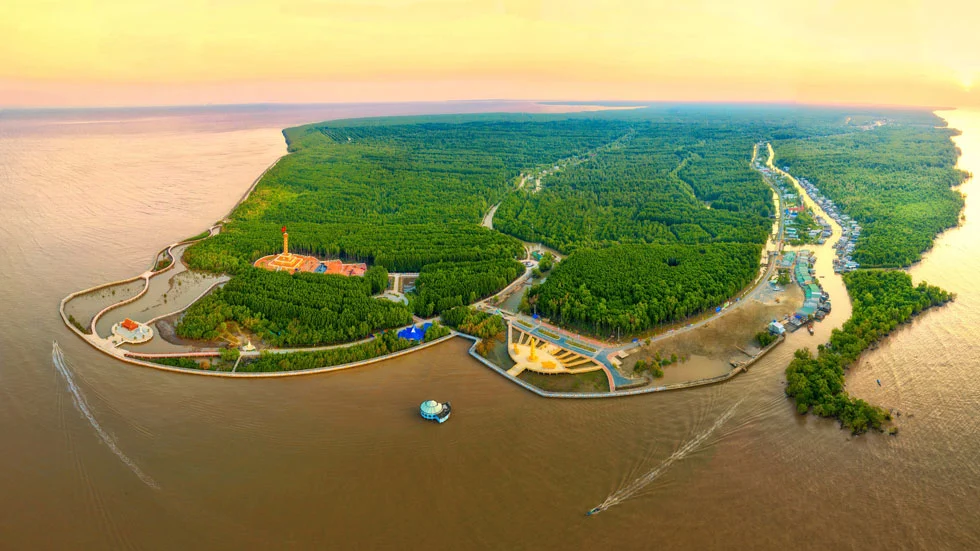
🌟 Highlights & Attractions:
- Ca Mau Cape – the southernmost tip of Vietnam where visitors can see both sunrise and sunset over the sea.
- U Minh Ha National Park – a rich mangrove forest ecosystem with unique wildlife.
- Hon Da Bac Island – rocky islets with historical and natural significance.
- Thi Tuong Lagoon – often called the “sea in the middle of the plains.”
- Mangrove forests – part of UNESCO-recognized biosphere systems.
🏝️ 10. Kien Giang – Islands, Coastlines & Natural Beauty
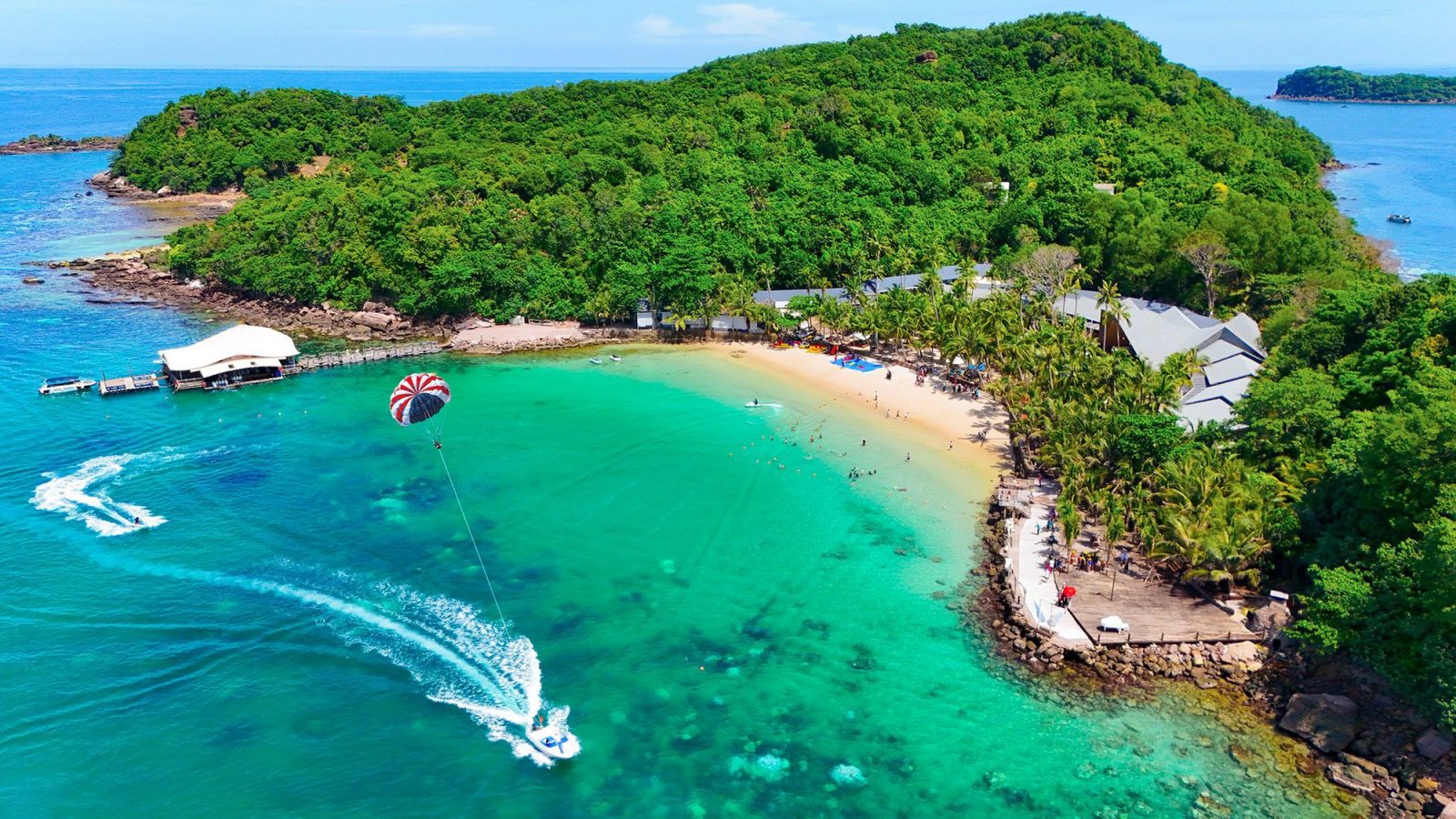
Kien Giang is one of the most geographically diverse provinces in the Mekong Delta, featuring a unique combination of mountains, forests, coastal areas, and tropical islands. Located along the Gulf of Thailand, it serves as a gateway to some of Vietnam’s most beautiful island destinations. With its mix of mainland charm and island paradise, Kien Giang is ideal for both nature lovers and beach seekers.
🌟 Highlights & Attractions:
- Phu Quoc Island – Vietnam’s most famous island, known for white-sand beaches, luxury resorts, and coral diving.
- Ha Tien – a charming border town with mountains, caves, and coastal scenery.
- Nam Du Islands – less developed islands with crystal-clear water and fishing villages.
- Hon Son Island – peaceful beaches and hiking opportunities.
- Rach Gia City – gateway to offshore islands and ferry connections.
Best Time to Visit the Mekong Delta (Based on Climate)
The Mekong Delta’s tropical climate means you can visit year-round, but each season offers a different experience.
Dry Season (December to April) – Best Overall Time
This is the most comfortable time to visit, with sunny weather and less rain. It’s perfect for sightseeing, boat tours, and exploring floating markets.
Rainy Season (May to November) – Green & Peaceful
Although there are frequent showers, they are usually short. The landscape becomes lush and vibrant, and tourist crowds are smaller.
Flood Season (September to November) – Unique Experience
Water levels rise, creating a magical scenery. This is the best time for photography and experiencing local life during the floating season.
Best time overall: December to April
Best for nature lovers: May to August
Most unique experience: September to November
How to Get to the Mekong Delta
The Mekong Delta is easily accessible from Ho Chi Minh City.
- By bus: Affordable and convenient
- By private car: Faster and more flexible
- By tour: Ideal for first-time visitors
Travel time ranges from 2 to 4 hours, depending on the destination.
>> Read more: Ho Chi Minh City to Mekong Delta: A Complete Beginner’s Travel Guide
Travel Tips for the Mekong Delta
- Wake up early to visit floating markets
- Bring cash, as many places don’t accept cards
- Dress comfortably and stay hydrated
- Respect local customs and lifestyle
- Choose eco-friendly tours when possible
Conclusion – Mekong Delta: A Journey Through Vietnam’s River Life
The Mekong Delta is more than just a destination—it’s a way of life shaped by water, nature, and tradition. Whether you’re cruising through floating markets, tasting fresh tropical fruits, or simply enjoying the peaceful scenery, every moment here feels authentic and unforgettable.
If you’re looking to experience a different side of Vietnam, the Mekong Delta should be at the top of your travel list. Start planning your journey today and discover the beauty of Vietnam’s river life.
For personalized itineraries, private tours, or expert travel support, feel free to contact Vietnam Journeys Group.
WhatsApp Hotline: +84965514942
Email: info@vietnamjourneysgroup.com
Our team is ready to help you design a meaningful and seamless Mekong Delta experience tailored just for you.