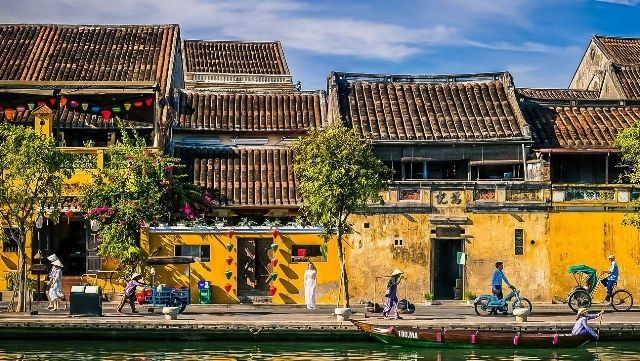


Hoi An Ancient Town: A Guide to the Top Historical Attractions You Must Visit. Nestled along the serene Hoai River, Hoi An is more than just an ancient town; it is a “living museum” that preserves the soul of a bustling international trading port from the 15th to the 19th centuries. Visiting Hoi An is like stepping into a world of moss-covered yellow walls, vibrant lanterns, and the fascinating cultural fusion of Vietnam, Japan, China, and Europe.
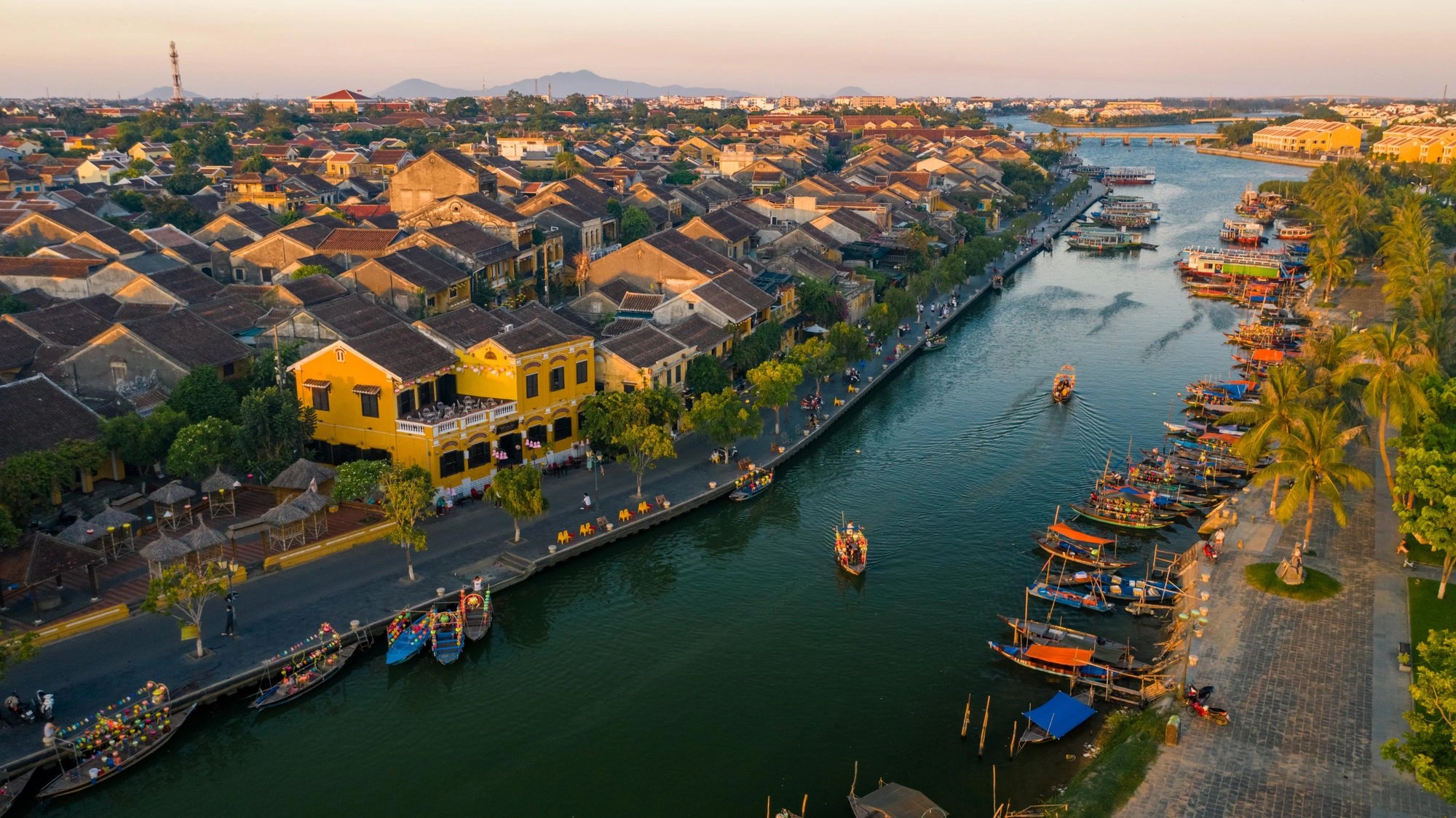
🏛️ I. A Glimpse into History: The Golden Age of Trade
Hoi An Ancient Town is an exceptionally well-preserved example of a South-East Asian trading port dating from the 15th to the 19th century. Its buildings and its street plan reflect the influences, both indigenous and foreign, that have combined to produce this unique heritage site.
During the Dang Trong (Cochinchina) period, Hoi An was a vital gateway on the “Maritime Silk Road.” While shifting economic trends later caused the town’s commercial importance to fade, this isolation ironically helped preserve its unique architecture almost perfectly. In 1999, UNESCO recognized Hoi An as a World Heritage Site for its exceptional historical value and authenticity.
🏠 II. Ancient Houses: The Soul of the Town
The ancient houses in Hoi An typically feature a “tube house” design, harmoniously blending traditional wooden frames with intricate decorative details.
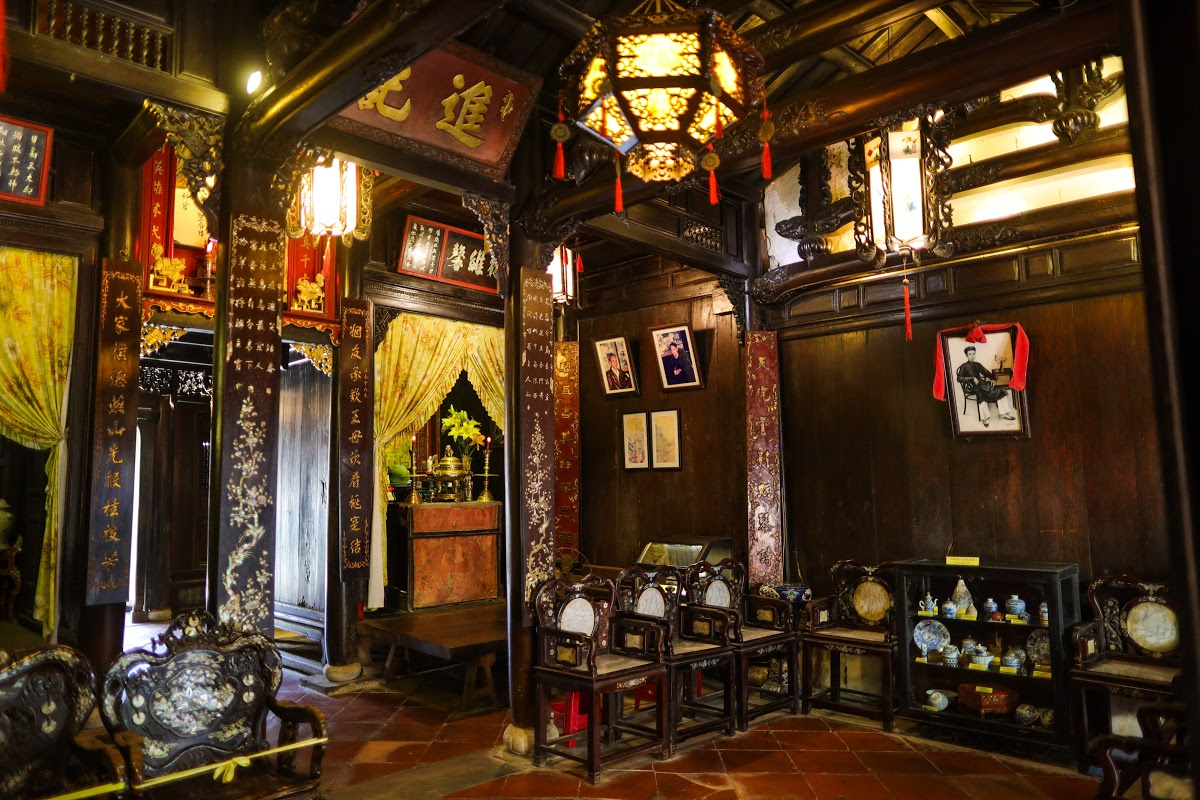
1. Tan Ky Ancient House: A 200-Year-Old Architectural Symphony
Tan Ky was the first ancient house in Hoi An to be designated a National Heritage Site.
Architecture: It features a typical tube house layout—the front opens to Nguyen Thai Hoc Street for business, while the back opens to the Hoai River for convenient goods transport.
Unique Highlights:
- “Chong Ruong Gia Thu” Structure: The cross-beams are stacked like fingers, symbolizing strength and eternal support.
- The Confucian Cup: A priceless treasure based on the “Middle Way” philosophy. If you pour too much water, the cup drains completely, serving as a reminder to maintain balance and self-restraint.
- “Tich Duc Luu Ton” Panel: A calligraphic woodblock reminding future generations to preserve virtue.
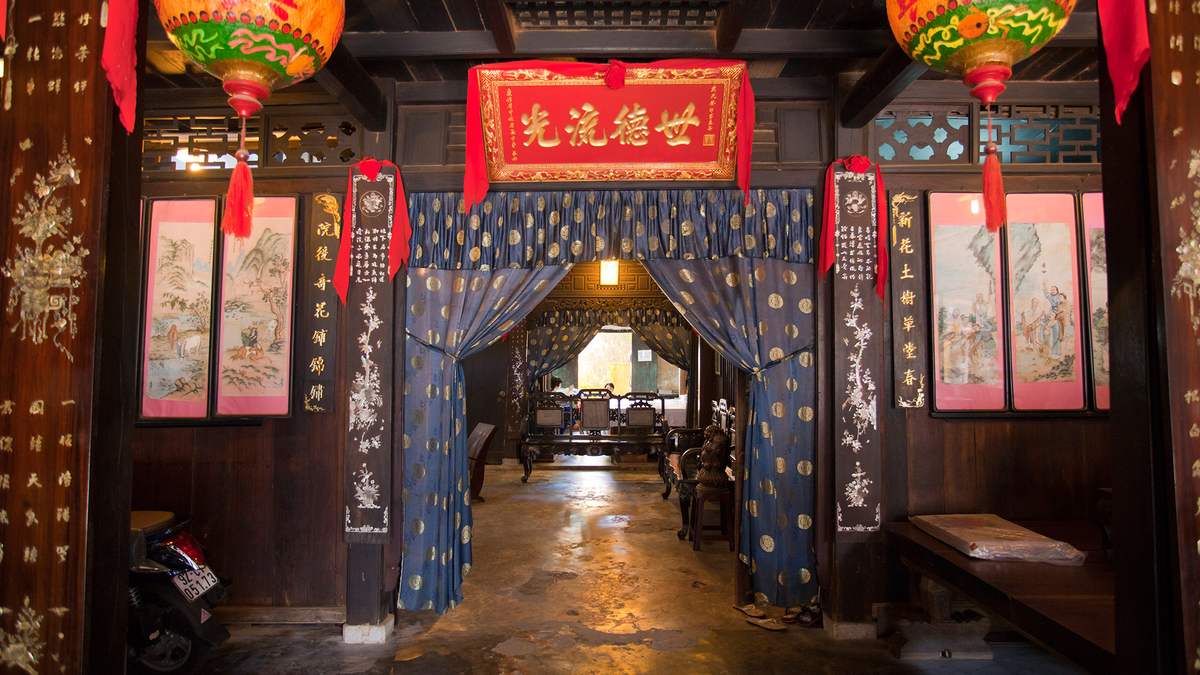
2. Phung Hung Ancient House: Resilience Through the Ages
Representing the prosperity of the old merchant class, this house features meticulously carved wooden balconies and a smart design built to coexist with the annual flood seasons.
Unique Highlights:
- The Mezzanine System: The second-floor wooden flooring includes removable trapdoors. During floods, owners could quickly move goods and furniture to the upper level.
- The “Tu Hai” (Four Seas) Roof: A roofing system that ensures ventilation and natural sunlight for the long, narrow house.
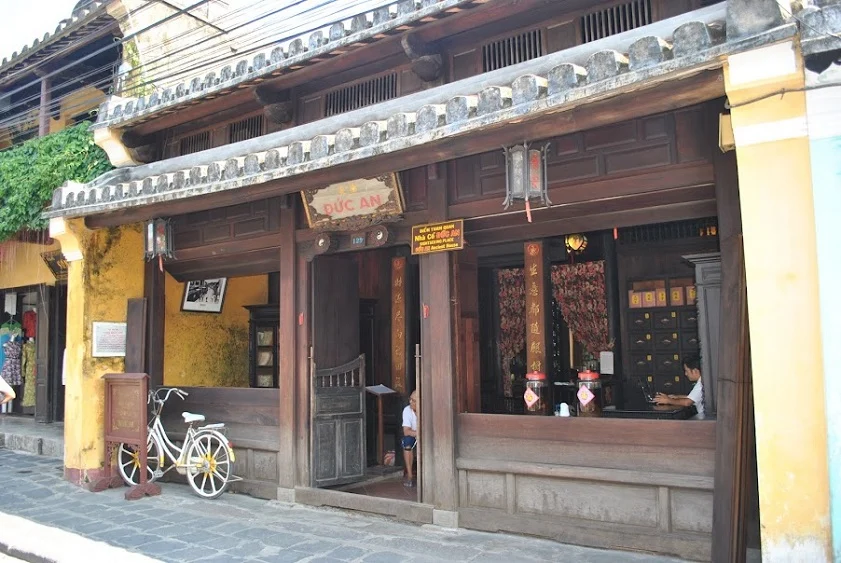
3. Duc An Ancient House: The Beauty of Tranquility
This house exudes a simple yet scholarly elegance. Unlike the bustling merchant homes, Duc An once served as a traditional pharmacy and a meeting place for patriotic scholars, reflecting the modest lifestyle of the Vietnamese elite.
🏯 III. Assembly Halls: The Bond of the Chinese Community
The assembly halls in Hoi An are not only places of worship but also vibrant community centers that once connected Chinese merchants. Each hall represents a different dialect group (Fujian, Chaozhou, Cantonese, and Hainan), carrying its own distinct cultural identity, beliefs, and architectural style.
What they share in common is the intricate craftsmanship, vivid colors, and sacred atmosphere—reflecting the rich spiritual life of the merchant communities who once lived and traded in Hoi An’s bustling port.
1. Fujian (Phuc Kien) Assembly Hall – The Pinnacle of Grandeur
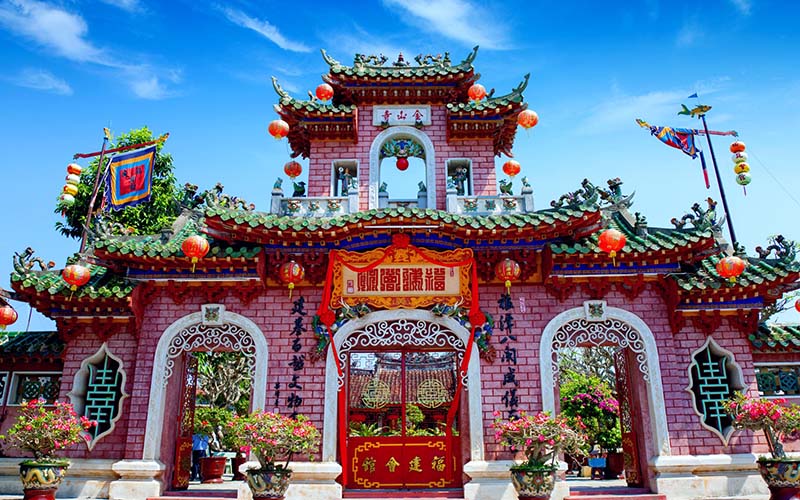
Built around 1697, this is the largest and most elaborately designed assembly hall in Hoi An. Originally a gathering place for merchants from Fujian (China), it was later expanded into a temple dedicated to Thien Hau, the Goddess of the Sea and protector of seafarers.
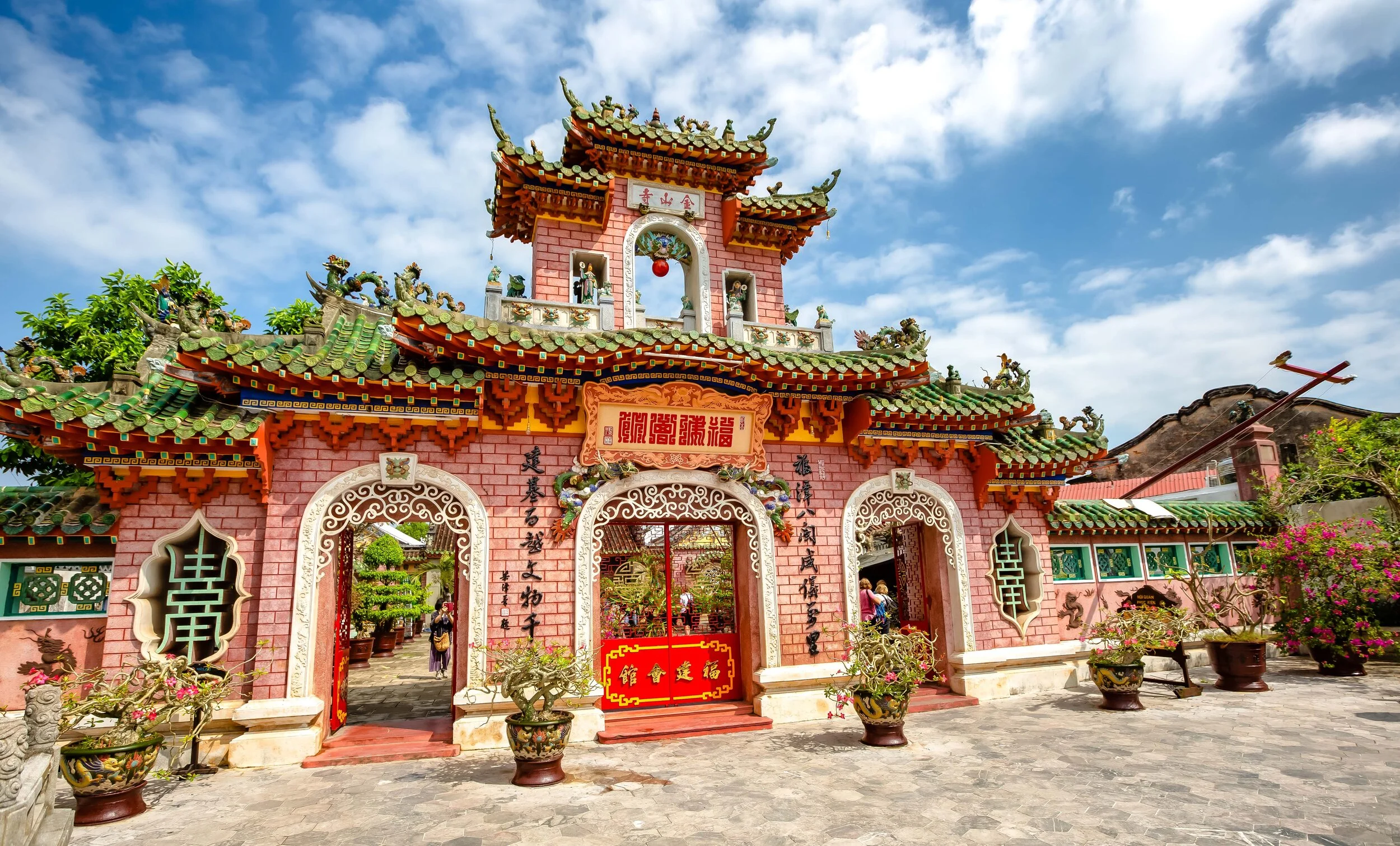
Upon passing through the vibrant Triple Gate, visitors are welcomed into a spacious courtyard adorned with ornamental rockeries inspired by ancient legends. At the heart of the complex lies the main sanctuary dedicated to Thien Hau.
One of the most distinctive features is the collection of giant hanging incense coils. Locals and visitors write their wishes on red paper slips and attach them to the coils. As the incense burns continuously for weeks, the rising smoke is believed to carry prayers directly to the heavens.
Inside, a finely detailed model of an ancient merchant ship serves not only as decoration but also as a tribute to the hardships endured by early traders who braved the seas to reach new lands.
2. Chaozhou (Trieu Chau) Assembly Hall – A Masterpiece of Wood Carving
In contrast to the grandeur of Fujian, the Chaozhou Assembly Hall offers a more tranquil and contemplative atmosphere. Built by the Chaozhou Chinese community, it is primarily dedicated to sea deities who protect sailors on long voyages.
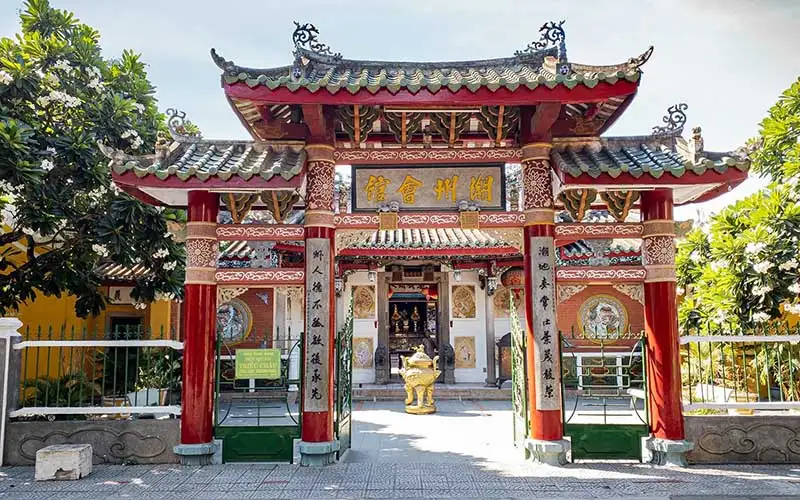
The hall is especially renowned for its exceptional wood carving techniques. Skilled artisans meticulously crafted intricate reliefs of mythical creatures and folk tales across beams, rafters, and altars with astonishing detail.
Compared to the bustling energy of Fujian Hall, this site features a smaller courtyard and a solemn main hall, creating a peaceful space removed from the noise of the town—ideal for quiet reflection.
3. Cantonese (Quang Dong) Assembly Hall – Strength in Stone and Spirit
The Cantonese Assembly Hall stands out with its bold, solid architecture and a strong sense of dignity and honor.
Its most remarkable feature is that all stone elements—columns, beams, and structural components—were handcrafted in China and transported by sea to Hoi An for assembly. This reflects not only exceptional craftsmanship but also the considerable wealth and influence of the Cantonese merchant community.
The hall is dedicated to Quan Cong (Quan Vuong / Guan Yu), a symbol of loyalty, righteousness, integrity, and honor. A massive mural depicting “The Three Heroes Battle Lu Bu” is a highlight, capturing the fierce spirit of legendary warriors from the Three Kingdoms era and serving as a moral reminder of loyalty and ethical conduct in both life and business.
4. Hainan (Hai Nam) Assembly Hall – A Place of Remembrance
Unlike other assembly halls that worship deities, the Hainan Assembly Hall is dedicated to real historical figures.
It commemorates 108 Hainanese merchants whose tragic and wrongful deaths at sea have turned this site into a deeply moving spiritual landmark.
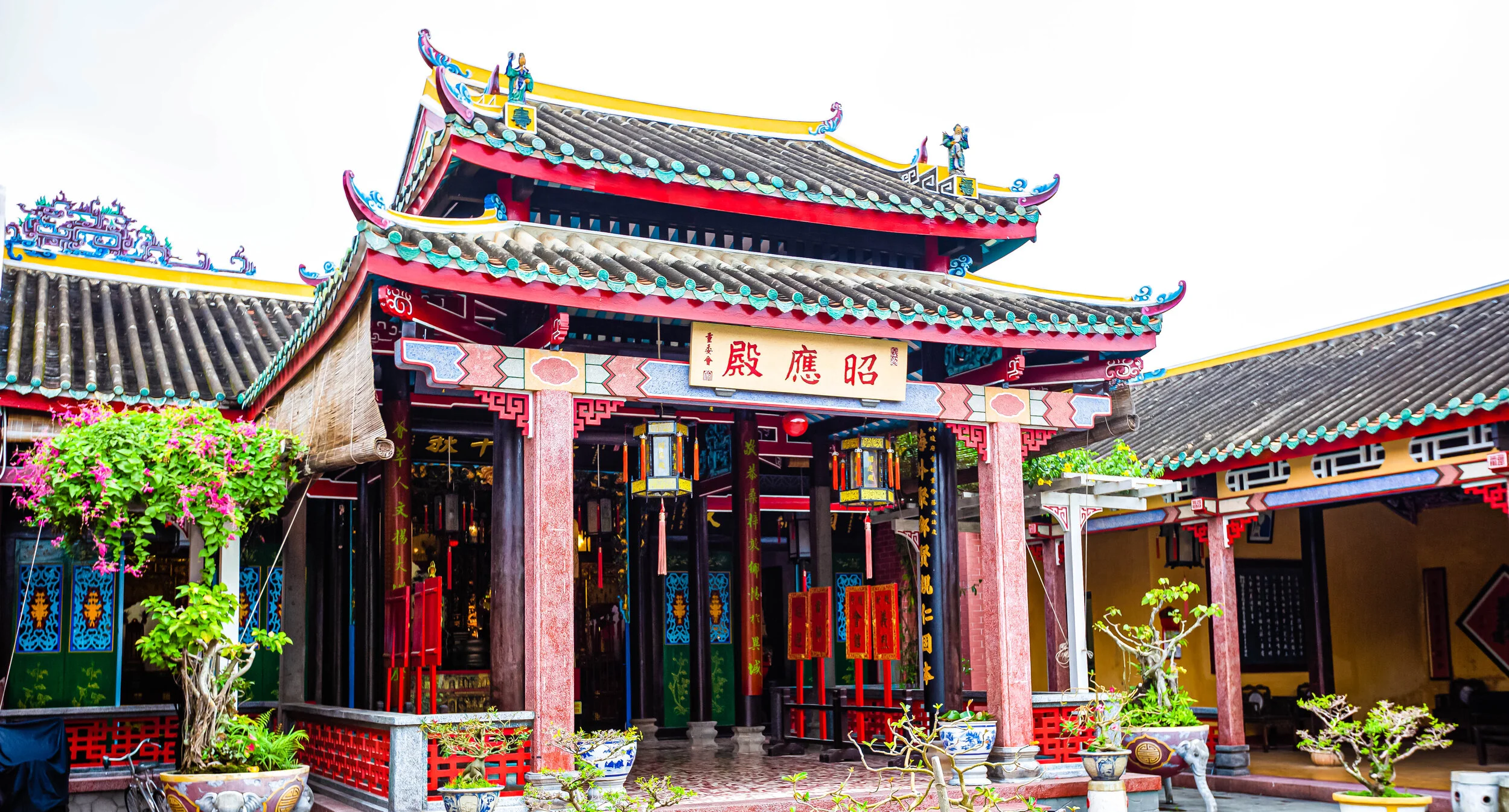
Though not as grand in scale, the interior is remarkably valuable. The altar—crafted from lacquered wood with gold leaf detailing—is considered one of the most beautiful in Hoi An. Surrounding wooden relief panels depict scenes of trading life and daily activities, showcasing the extraordinary craftsmanship of Hainanese artisans.
The atmosphere here is solemn and reflective, offering visitors a deeper emotional connection to the untold stories of the past.
🌉 IV. Iconic Landmarks and Specialized Museums
🌉 Japanese Bridge (Chua Cau): A Unique Masterpiece
The “heart” of Hoi An, built by Japanese merchants in the 16th century.
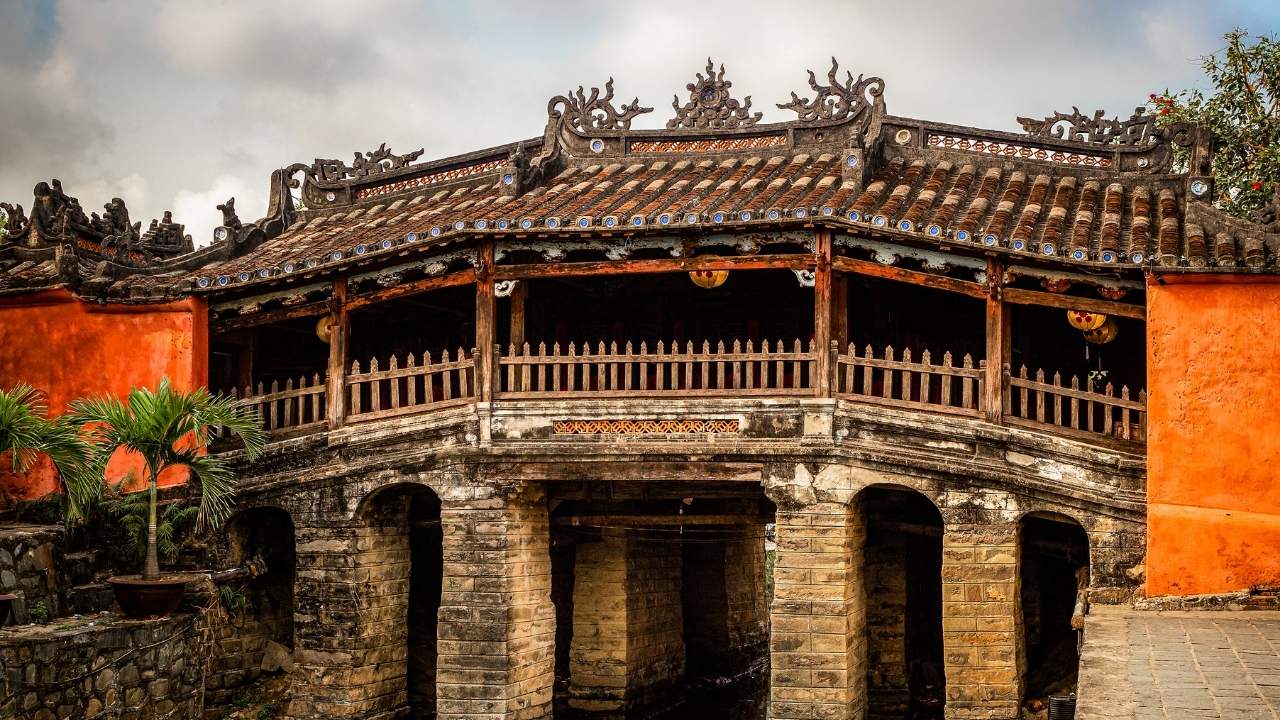
Architecture: A Japanese-style design featuring an “Yin-Yang” tiled roof covering the entire bridge. Statues of a Dog (Tuat) and a Monkey (Than) stand guard at either end.
Legend: Folklore says the bridge acts as a “sword” pinned into the back of the monster Mamazu (whose head is in Japan and tail in India) to prevent earthquakes and keep the land peaceful.
🏺 Specialized Museums
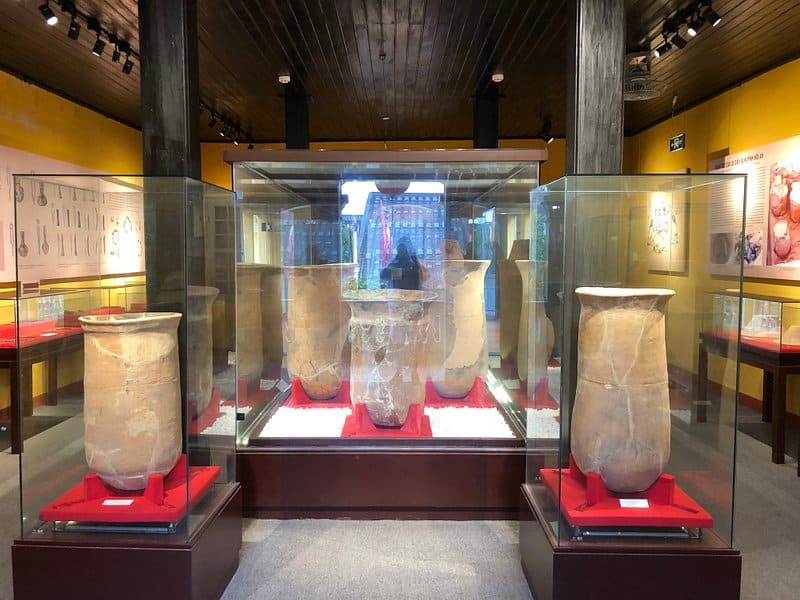
- Sa Huynh Culture Museum: Explore a prehistoric civilization from 2,000 years ago, featuring massive jar burials and rare jewelry made of glass and agate.
- Museum of Trade Ceramics: Located in a beautiful two-story ancient house, it showcases over 400 ceramic artifacts dating from the 9th to the 19th centuries from China, Japan, India, Thailand, and the Middle East.
- Hoi An Museum of Folk Culture: Recreates the spiritual and labor life of local people across generations. Learn about “Bai Choi” art and traditional craft villages like Kim Bong Carpentry and Thanh Ha Pottery.
🎭 V. Xu Dang Trong & Cultural Experiences
Don’t just observe; immerse yourself in local culture at the Traditional Art Performance House (66 Bach Dang St).
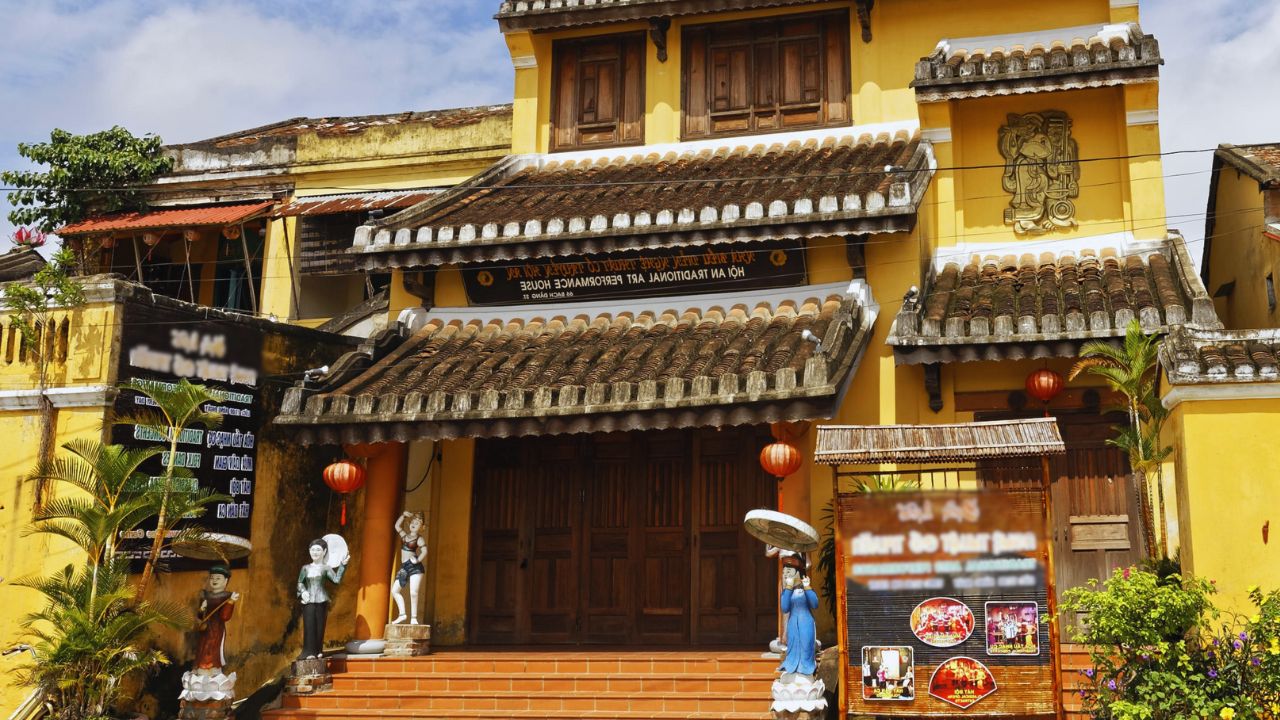
Performance Schedule: 10:15 AM and 3:15 PM daily (Classical music, folk dance, and traditional instruments).
Interactive Workshops (3:00 PM – 5:00 PM): Hand-make your own lantern, paint ceramic masks, or practice calligraphy under the guidance of local artisans.
🎫 Visitor Information (Official Prices)
- International Visitors: 120,000 VND / person.
- Vietnamese Visitors: 80,000 VND / person.
- Children (1m – 1.4m): 50,000 VND.
- Children under 1m: Free.
Note: Tickets grant access to 3–5 heritage sites of your choice and contribute directly to the preservation of the Old Town.
🧭 VII. Tips for a Perfect Trip
- Golden Hours: Visit in the early morning for peace or after 6:00 PM when the lanterns are lit.
- Festivals: Visit on the 14th day of the lunar month for the “Full Moon Lantern Festival,” when electric lights are turned off, and the town is illuminated by thousands of magical lanterns.
- Cuisine: Must-try dishes include Cao Lau (noodles made with water from the ancient Ba Le well) and White Rose Dumplings.
- Etiquette: Wear respectful, modest clothing when visiting assembly halls, temples, and family homes.
>> Read more: Getting from Da Nang to Hoi An: Bus, Taxi, Motorbike & More
🌙 Conclusion: Hoi An Ancient Town – Where Time Stands Still
Hoi An is far more than just a destination on a travel map; it is a vibrant, living entity where the past and present are intricately woven into every breath of the town. Each moss-covered corner, every Yin-Yang roof tile, and the gentle creak of century-old wooden doors are not merely relics of history. They are silent witnesses, whispering tales of a golden era marked by grand international cultural exchanges.
A visit to Hoi An is an invitation to step away from the relentless pace of the modern world. It encourages you to slow down and listen to the simplest of sounds: the rhythmic dip of a paddle in the Hoai River, the soft echo of footsteps on brick-paved alleys, or the warm, gentle glow radiating from handcrafted silk lanterns. It is a place where the soul finds respite, and where the profound stillness of ancient houses helps you rediscover inner balance.
Whether you are a history enthusiast seeking ancient legends, an artistic soul mesmerized by intricate carvings, or simply a traveler searching for a moment of peace, Hoi An will always find a way to enchant you. The Old Town never truly grows old; with every return visit, you are bound to discover a new detail, a new story hidden behind those time-worn yellow walls. Allow Hoi An to preserve a piece of your memories, and surely, the eternal beauty of this heritage will linger in your heart long after you have said your goodbyes.
👉 Ready to explore? Contact us here today for your customized itinerary and free quote.
WhatsApp Hotline: +84965514942.
Email: info@vietnamjourneysgroup.com