Vietnam Public Holidays 2026: What Tourists Need to Know. Planning a trip to Vietnam in 2026? Understanding the country’s public holidays can make a huge difference to your travel experience. Vietnam is a vibrant destination with a rich cultural calendar, and many of its most exciting traditions take place during national holidays. However, these periods can also bring crowded attractions, higher prices, and limited services.
Whether you want to join the festivities or avoid peak travel times, this guide will help you navigate Vietnam’s public holidays in 2026 with confidence. From a complete list of official days off to practical travel tips, here’s everything tourists need to know.
Overview of Public Holidays in Vietnam (Vietnam Public Holidays 2026)
Vietnam has several official public holidays each year when workers are entitled to paid leave. These holidays are set by the government and often include “bridge days”, meaning long weekends or extended breaks when holidays fall close to weekends. In 2026, Vietnam will have 11 official public holiday days, but with weekends and compensatory leave, residents will enjoy several extended breaks totaling up to 26 days off. A major update for 2026 is the addition of Vietnam Culture Day (November 24) as an official paid holiday
For tourists, this means:
- Domestic travel demand rises sharply
- Transportation systems become busier
- Hotels and flights may sell out quickly
- Tourist attractions can be crowded
- At the same time, holidays are also the best opportunity to witness authentic Vietnamese culture, festivals, and traditions.
Vietnam Public Holidays
1. New Year’s Day
New Year’s Day is the first day of the year according to the Gregorian calendar and is an official public holiday in Vietnam. However, it is not as important as the Tet Nguyen Dan, so the atmosphere is usually quite relaxed, mainly focused on rest and meeting friends.
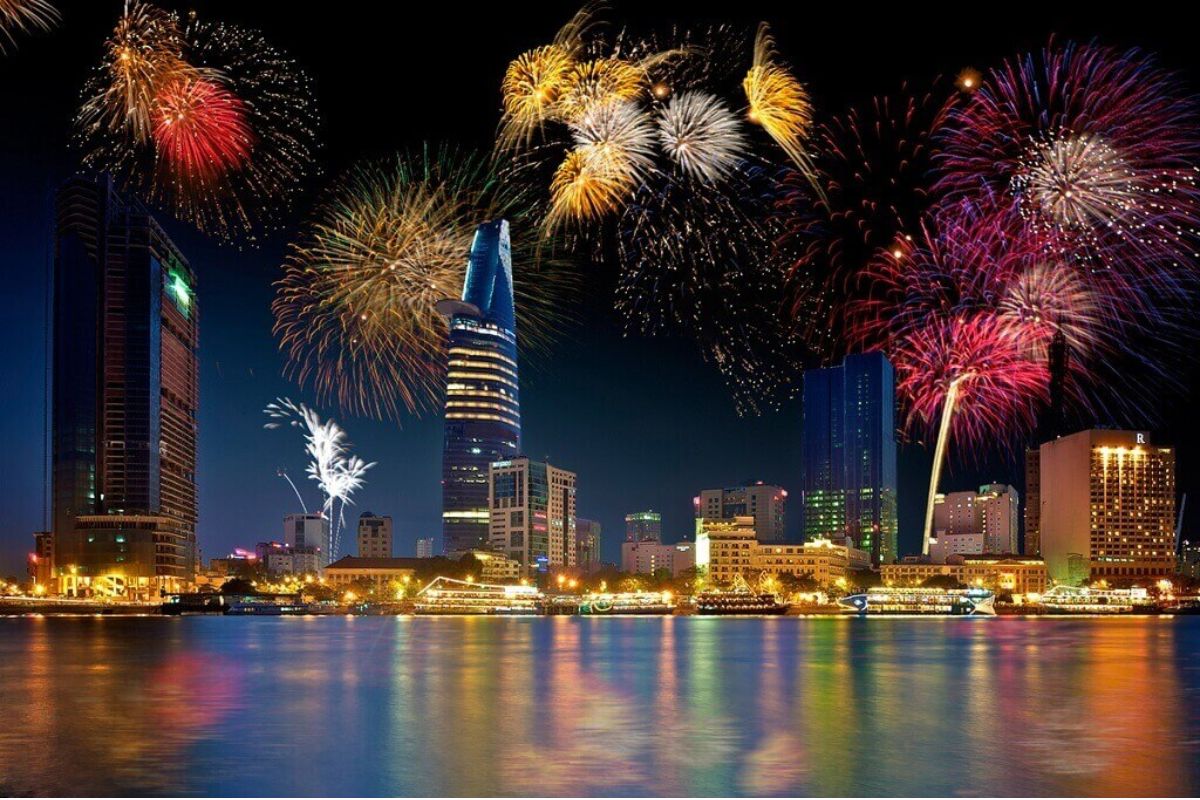
In major cities such as Ha Noi and TP Ho Chi Minh, the night of December 31 often features countdown events, music performances, and large crowds in central areas like Ho Hoan Kiem and Nguyen Hue Walking Street.
For tourists, the impact is minimal: transportation and services operate normally, and most restaurants and attractions remain open. However, central areas can become crowded on New Year’s Eve, so it is recommended to plan ahead if you want to join the celebrations.
2. Lunar New Year – Tet Holiday
Lunar New Year – Tet Holiday is the most important and widely celebrated holiday in Vietnam, marking the start of the lunar year according to the lunisolar calendar.
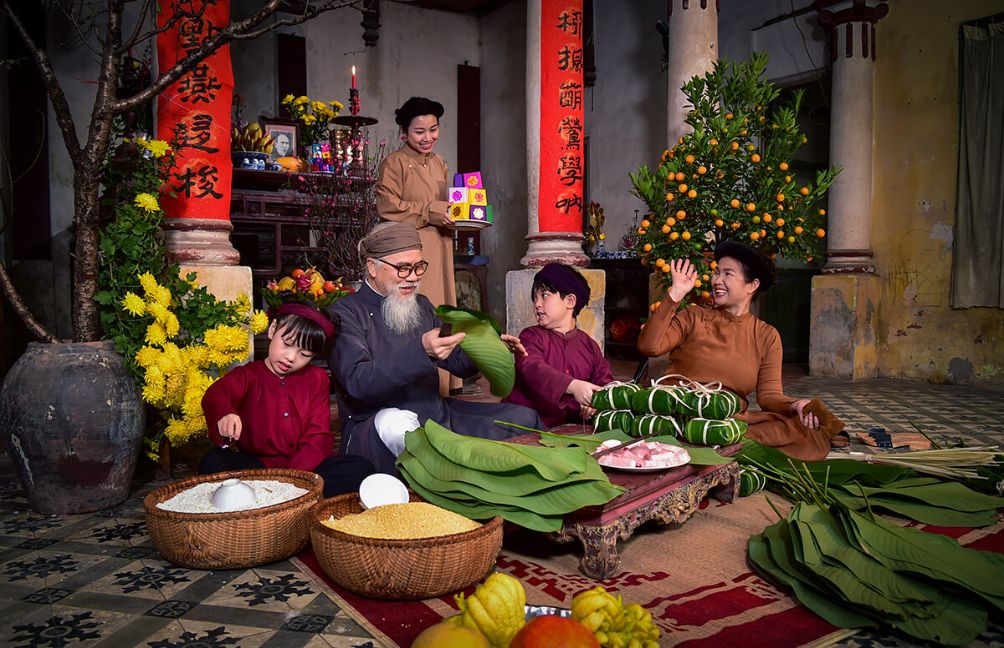
The holiday usually lasts about 5–7 official days, but in practice many people take longer breaks. It is a time for family reunions, ancestral worship, and welcoming the new year with traditional customs such as giving lucky money and decorating homes. It is closely associated with Tet Nguyen Dan.
For tourists, it is important to note that many businesses, restaurants, and shops close for several days during this period. Major cities such as Ha Noi and TP Ho Chi Minh often become much quieter, as many locals return to their hometowns.
Transportation is extremely busy right before and after Tet, with flights, trains, and buses often fully booked. Travelers are advised to plan ahead, book early, and expect limited services during the main holiday days.
3. Hung Kings’ Festival
Hung Kings’ Festival (Giỗ Tổ Hùng Vương) is the 10th day of the 3rd lunar month in the lunisolar calendar. The exact date can vary slightly depending on calendar calculations and official holiday arrangements.
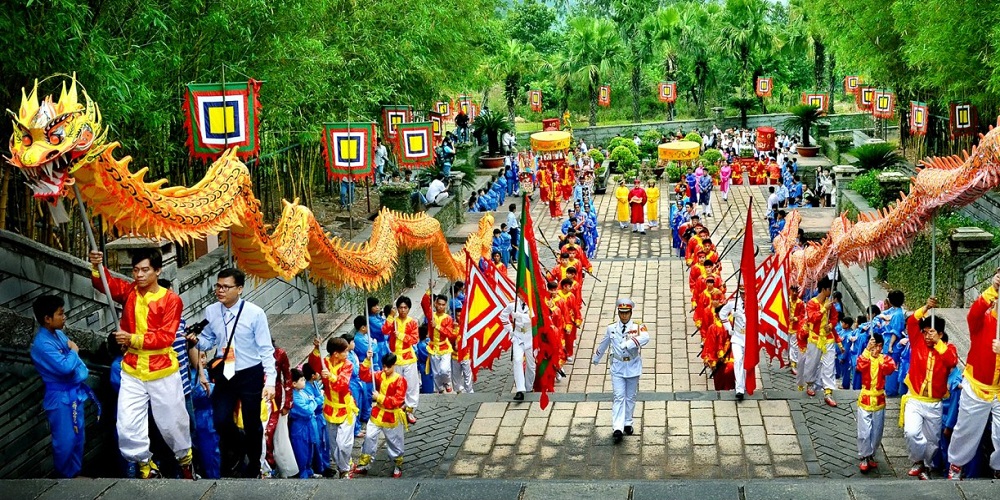
The festival is a national holiday in Vietnam that honors the Hung Kings, who are considered the legendary founders of the Vietnamese nation. It is a time for people to express gratitude and remembrance for the origins of the country, often through temple ceremonies, incense offerings, and traditional rituals, especially at Hung King Temples in Phu Tho.
The meaning of this day is deeply cultural and historical. It represents national identity, ancestral respect, and unity, with the famous saying that Vietnamese people are “descendants of the Hung Kings.”
For travelers, the impact is moderate. Cultural and historical sites may become more crowded due to domestic visitors attending ceremonies and pilgrimages. However, it is also a good opportunity to observe traditional Vietnamese culture and experience national heritage in a meaningful, festive atmosphere.
4. Reunification Day
Reunification Day (April 30) is a national public holiday in Vietnam that marks the end of the Vietnam War and the reunification of the country in 1975, according to modern Vietnamese history.
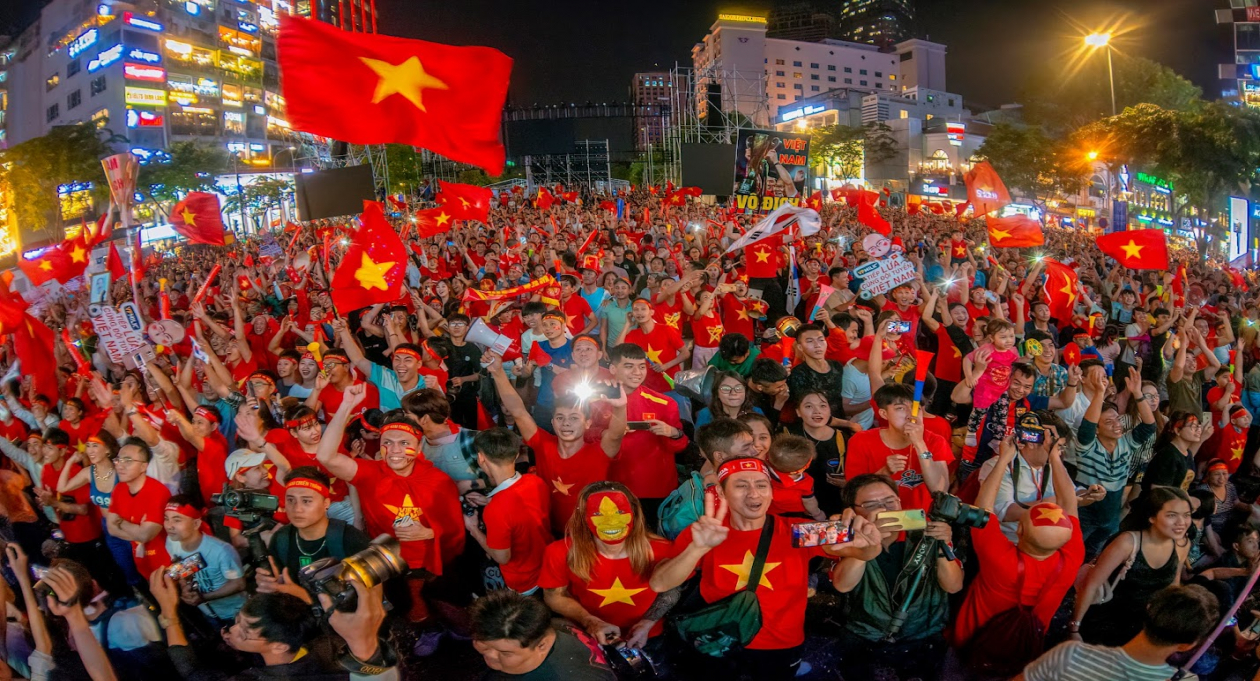
The holiday lasts 1 day but is often combined with Labor Day on May 1, creating a longer public break. During this period, many people travel, visit family, or participate in public events and celebrations.
For tourists, major cities such as Ha Noi and TP Ho Chi Minh often become lively and crowded, especially around central landmarks like Ho Hoan Kiem and Nguyen Hue walking street. There may also be parades, fireworks, or cultural performances.
Travel demand is high during this period, so transportation and accommodation can book up quickly. Visitors should plan and reserve early to avoid inconvenience.
5. Labor Day (May 1)
Labor Day (May 1, 2026) is an official public holiday in Vietnam that honors workers and the contributions of the labor force. It is observed nationwide and is an important annual holiday in the Vietnamese calendar.
The holiday itself lasts 1 day, but it is very often combined with Reunification Day on April 30, creating a longer break of around 4–5 days depending on the yearly schedule and weekend placement.
For travelers, this period is one of the busiest domestic travel times of the year. Many people take advantage of the long holiday to travel within the country, visit family, or go on short vacations. As a result, transportation such as flights, trains, and buses can become heavily booked.
Popular destinations, especially beaches and major tourist cities, tend to be crowded. Cities like Ha Noi and TP Ho Chi Minh also see increased traffic, particularly around attractions like Ho Hoan Kiem andcome lively and crowded, especially around central landmarks like Ho Hoan Kiem and Nguyen Hue walking street.
Visitors are advised to plan early, book accommodation in advance, and expect higher prices and busy tourist areas during this holiday period.
6. National Day (September 2)
National Day is a major public holiday in Vietnam that celebrates the country’s declaration of independence in 1945, marking the birth of modern Vietnam.
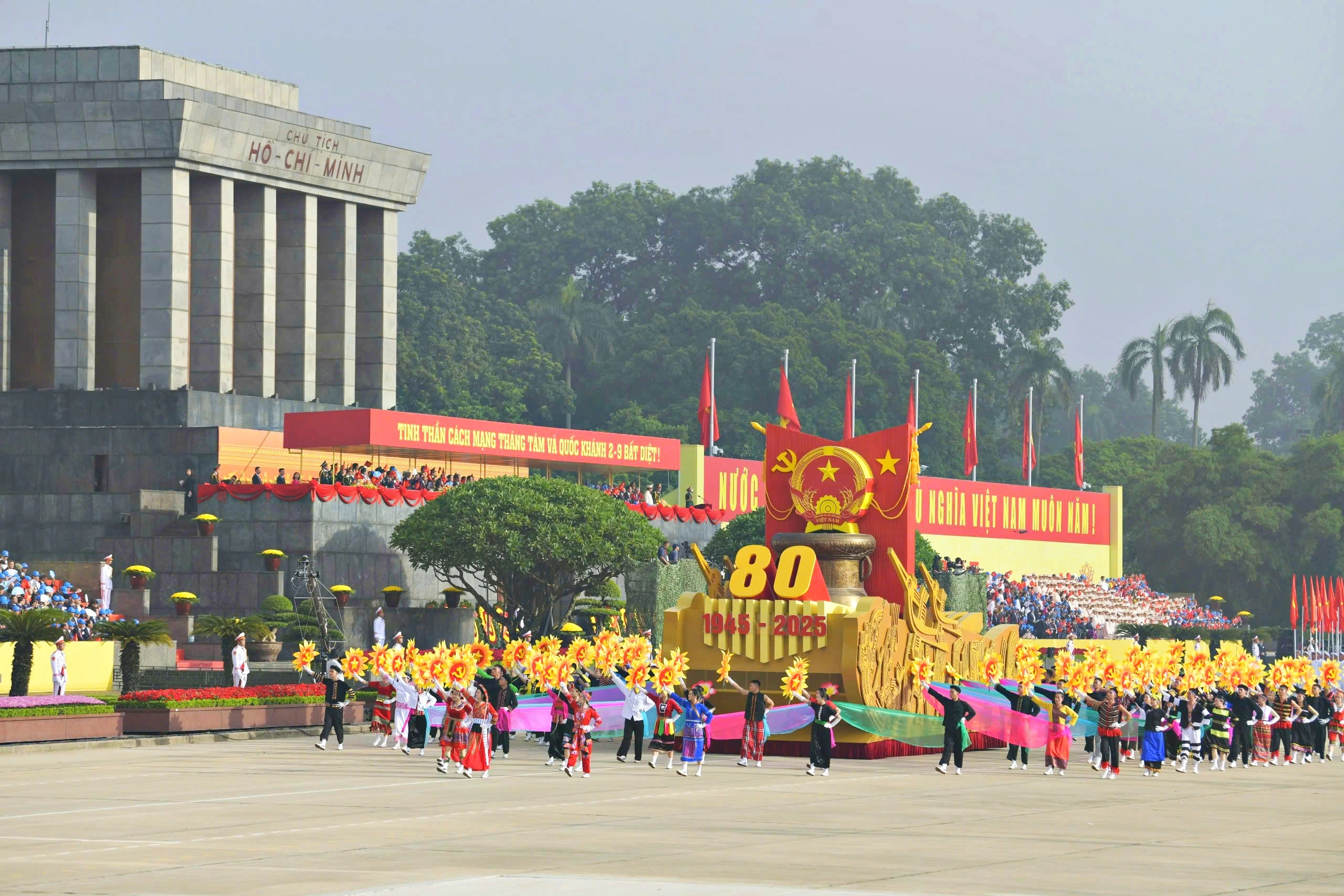
The holiday usually lasts 1 official day, but it is often extended to a 2–3 day break depending on how it aligns with weekends or government arrangements. It is one of the most important national celebrations of the year.
The significance of this day is to commemorate Vietnam’s independence and honor national history. It is closely linked to the declaration of independence by President Ho Chi Minh in 1945, marking a turning point in the country’s modern era.
During this period, cities across the country become lively with fireworks, parades, flag displays, and patriotic events. Major urban areas such as Ha Noi and TP Ho Chi Minh often host large celebrations, especially around landmarks like Ho Hoan Kiem and Pho di bo Nguyen Hue.
For travelers, this is a busy travel period. Tourist attractions, hotels, and transport services can be crowded, so early booking is recommended to avoid higher prices and limited availability.
What Tourists Should Expect During Public Holidays in Vietnam
Traveling in Vietnam during public holidays can be a very unique experience. You will see the country at its most lively and cultural, but it also comes with higher crowds, price increases, and some logistical challenges. Understanding what to expect will help you plan a smoother trip.
1. Crowds Everywhere
During major holidays such as Tet Holiday or National Day, tourist destinations become significantly busier than usual.
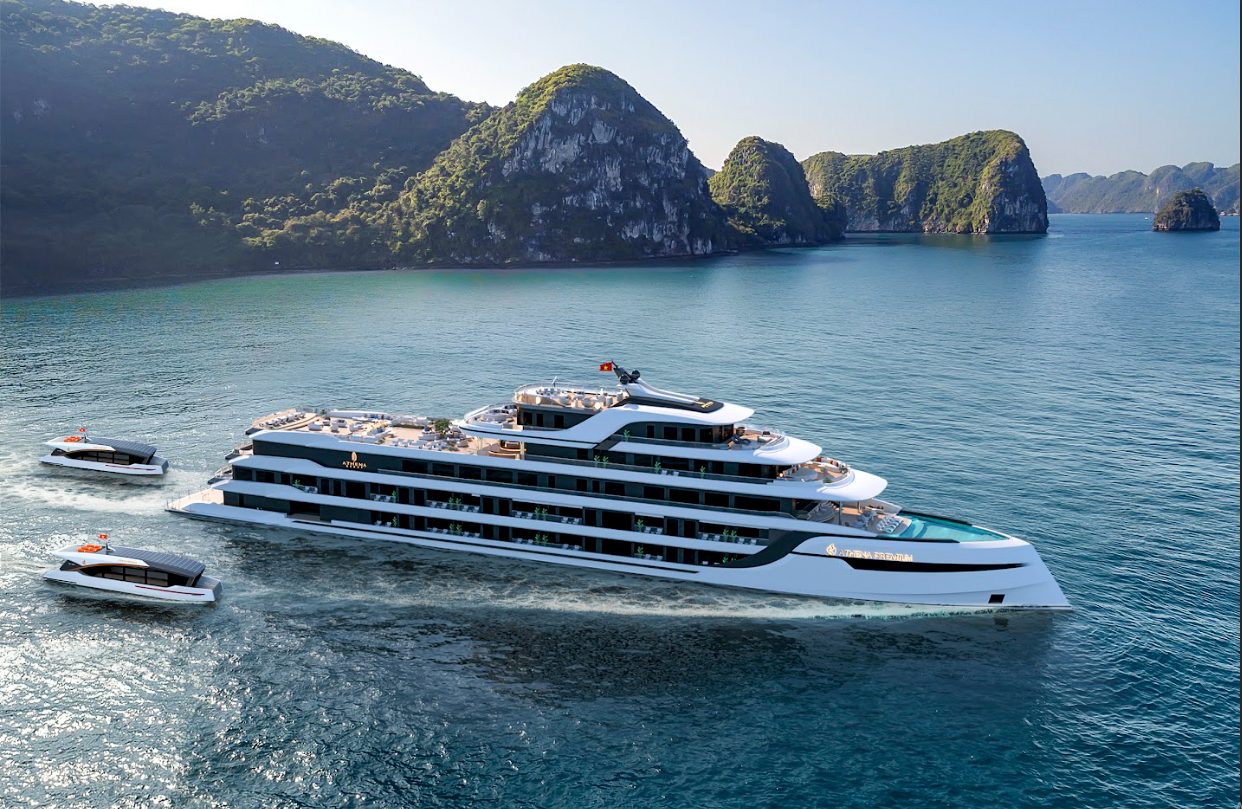
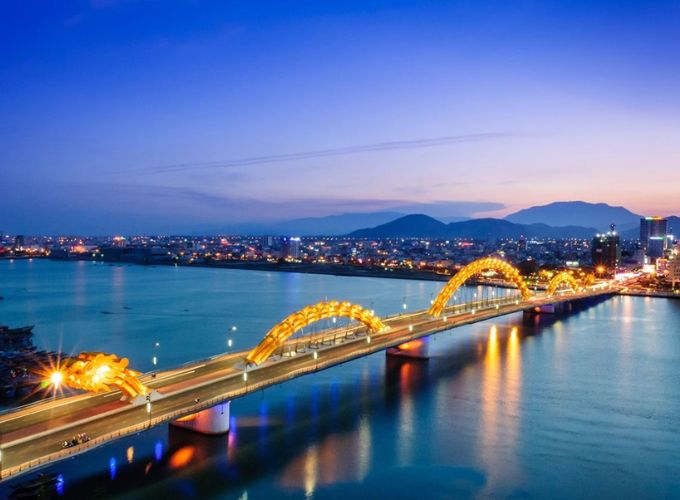
Popular places like Ha Noi, Da Nang, and Ha Long Bay often experience heavy foot traffic. Attractions, restaurants, and scenic spots can be packed with both domestic and international travelers.
You should expect:
- Long queues at attractions and ticket counters
- Crowded streets, especially in city centers
- Difficulty finding quiet or less touristy areas
- Fully booked tours and activities in advance
Even normally peaceful spots can feel crowded during peak travel days.
2. Price Increases
Holiday periods are considered peak travel seasons in Vietnam, so prices often increase across many services.
You may notice:
- Higher airfare for domestic and international flights
- Increased hotel rates, especially in central locations
- Expensive last-minute bookings or limited availability
- Tour packages are becoming more costly during peak demand
In some cases, prices can double compared to normal weekdays, especially during Tet or long holiday breaks.
3. Transportation Pressure
Transportation systems operate normally, but demand increases dramatically.
At airports, train stations, and bus terminals, expect:
- Long check-in and security lines
- Fully booked tickets for popular routes
- Traffic congestion in and out of major cities
- Occasional delays due to overload
Traveling between cities like Ha Noi and Ho Chi Minh becomes especially busy before and after holidays, as millions of people travel at the same time.
4. Business Closures (Especially During Tet)
The level of closures depends on the holiday, but the most significant impact happens during Tet Holiday.
During Tet:
- Many family-run restaurants close for several days
- Small shops and local services may temporarily shut down
- Government offices and banks are closed
- Tourist-focused businesses in major cities often remain open
In contrast, modern malls, hotels, and international restaurants are more likely to stay operational, especially in big cities.
5. Festive Atmosphere and Cultural Experience
Despite the challenges, holidays are one of the best times to experience Vietnamese culture.
You may see:
- Fireworks displays in major cities
- Traditional festivals and temple ceremonies
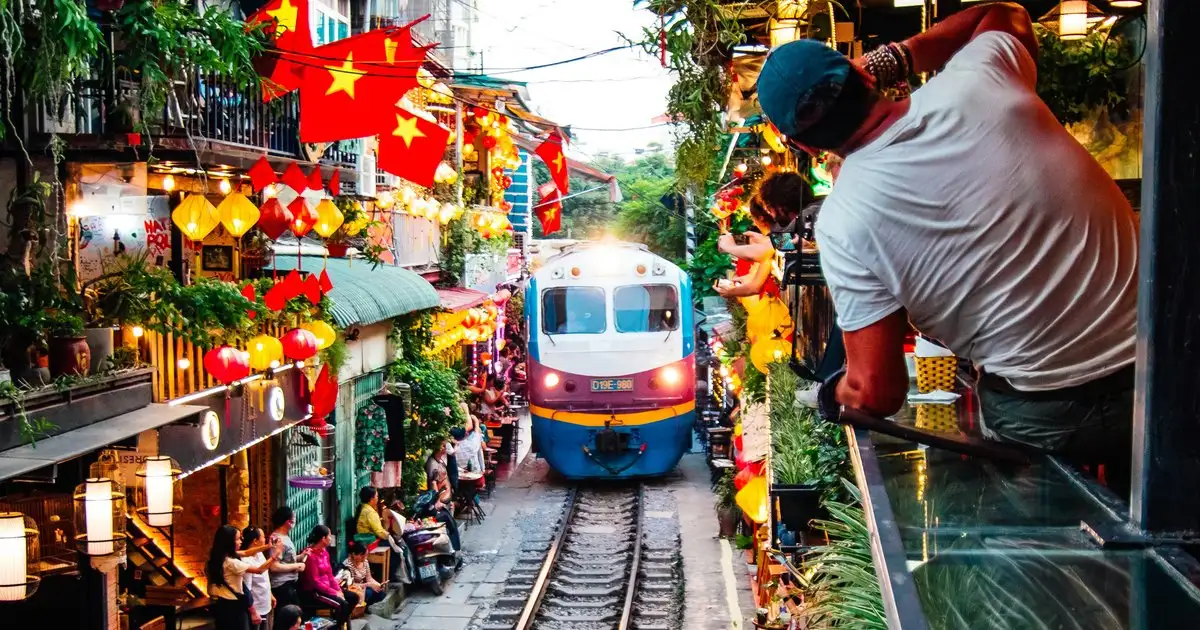
- Street decorations and public celebrations
- Families gathering and traveling together
Cities like Ha Noi and Ho Chi Minh become especially vibrant, with events around landmarks such as Hoan Kiem Lake and Nguyen Hue Walking Street.
🧭 Travel Tips for Visiting Vietnam During Holidays
✔ Book Everything Early
Reserve flights, trains, and hotels at least 1–2 months in advance, especially for Tet or long weekends.
✔ Avoid Peak Travel Days
The busiest times are usually:
- 1–2 days before holidays
- The first and last days of long breaks
Traveling in the middle of the holiday period is often more comfortable.
✔ Choose Destinations Wisely
- Big cities → lively but crowded
- Coastal areas (Da Nang, Nha Trang) → busy but festive
- Small towns → quieter and more relaxed
✔ Prepare for Limited Services
Always check:
- Restaurant opening hours
- Museum and attraction schedules
- Local transport availability
✔ Bring Cash
While card payments are common in cities, smaller shops and rural areas may prefer cash—especially during holidays when banking services are limited.
Conclusion – Vietnam Public Holidays
Vietnam’s public holidays are a double-edged sword for travelers. On one hand, they provide a window into the country’s rich traditions and vibrant culture. On the other, they can bring logistical challenges like crowds, price surges, and limited services.
The key is to plan ahead and align your travel goals with the holiday calendar. If you’re seeking cultural immersion, visiting during major holidays like Tet or National Day can be unforgettable. If you prefer a smoother, quieter journey, it’s best to schedule your trip outside peak periods.
With the right preparation, you can turn Vietnam’s public holidays into an enriching and memorable part of your travel experience.
If you are planning to travel to Vietnam and need assistance with your itinerary, feel free to contact us. We are always happy to help you design a smooth and memorable trip experience.
📩Contact us here to get a free itinerary and quotation.
WhatsApp Hotline: +84965514942.
Email: info@vietnamjourneysgroup.com