

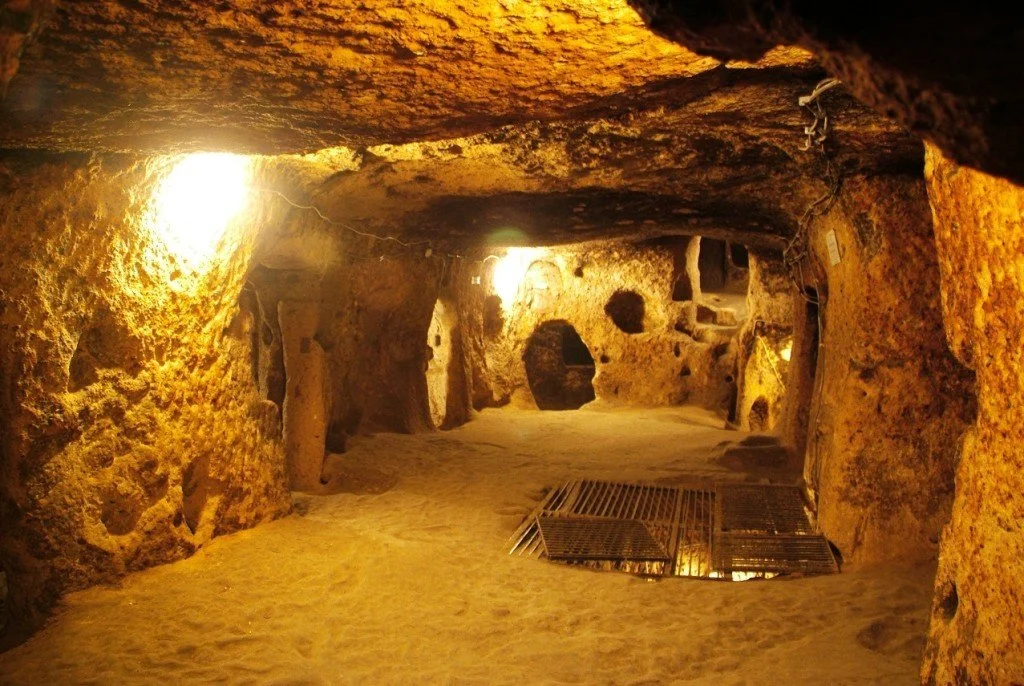
Cu Chi Tunnels Vietnam: Complete Travel Guide & Best Things to Do 2026. The Cu Chi Tunnels are one of the most iconic historical attractions in Vietnam and a must-visit destination for travelers exploring Ho Chi Minh City. More than just a tourist site, the Cu Chi Tunnels represent resilience, survival, and ingenuity during one of the most challenging periods in Vietnamese history.
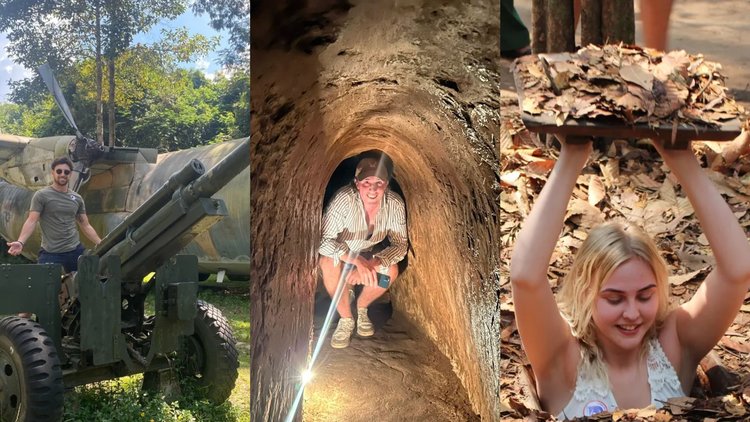
Located about 70 kilometers northwest of Ho Chi Minh City, this vast underground network stretches for more than 200 kilometers beneath the ground. During the Vietnam War, the tunnels functioned as hidden living quarters, supply routes, communication systems, hospitals, and military bases. Today, they have become one of the most fascinating historical experiences in Southeast Asia.
Visiting the Cu Chi Tunnels in 2026 offers travelers the chance to step directly into history, crawl through underground passageways, learn about wartime survival strategies, and explore the incredible engineering behind the tunnel system. Whether you are interested in history, culture, or adventure, this destination delivers a powerful and unforgettable experience.
1. About Cu Chi Tunnels in Vietnam
The Cu Chi Tunnels are far more than a simple network of underground passages. They were designed as a complete underground city where soldiers and civilians could survive for long periods during wartime.
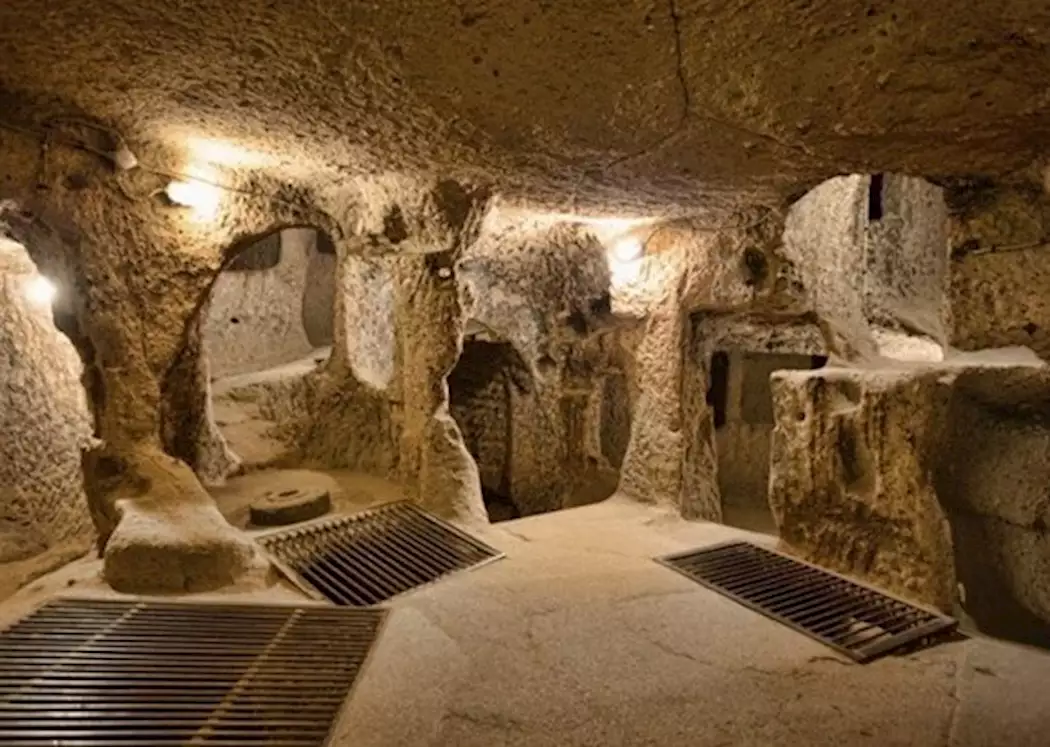
Inside the tunnels were:
- Sleeping areas
- Kitchens with smoke-filtering systems
- Medical stations
- Weapon storage rooms
- Underground meeting halls
The tunnels allowed soldiers to move secretly beneath the jungle while avoiding detection from enemy forces above ground. Hidden trapdoors, ventilation systems, and multiple escape routes made the network highly effective for guerrilla warfare.
Even today, visitors are often amazed by how complex and advanced the system was, especially considering it was built mostly by hand under extremely difficult conditions.
1.1 Location of Cu Chi Tunnels
The Cu Chi Tunnels are located in Cu Chi District, approximately 1.5 to 2 hours from the center of Ho Chi Minh City depending on traffic conditions.
There are two main tourist areas:
- Ben Dinh Tunnels — more tourist-friendly and closer to the city
- Ben Duoc Tunnels — more authentic and less crowded
Ben Dinh is usually recommended for first-time visitors because it is easier to access and features wider tunnel sections. Ben Duoc, meanwhile, offers a more realistic historical experience with narrower tunnels and a quieter atmosphere.
The surrounding countryside is peaceful and green, creating a strong contrast to the busy urban life of Ho Chi Minh City.
1.2 A Brief History of Cu Chi Tunnels in Saigon
The tunnel system first began during the late 1940s when Vietnamese resistance fighters dug small underground shelters during the struggle against French colonial forces.
During the Vietnam War, the tunnels expanded dramatically into a sophisticated underground network. Soldiers used them for:
- Transporting supplies and weapons
- Organizing military operations
- Escaping enemy attacks
- Living underground for extended periods
Life inside the tunnels was extremely difficult. Conditions were dark, narrow, humid, and often lacked fresh air. Despite this, people managed to survive and maintain daily activities underground.
The tunnels eventually became one of the most important strategic locations during the war and are now recognized as a symbol of determination and resilience in Vietnamese history.
2. How to Get to Cu Chi Tunnels, Ho Chi Minh City
Traveling to the Cu Chi Tunnels from Ho Chi Minh City is relatively simple, and there are several transportation options available depending on your travel preferences.
The most popular option is joining a guided tour. These tours usually include:
- Round-trip transportation
- Entrance tickets
- English-speaking guides
- Historical explanations throughout the journey
Guided tours are especially recommended for international travelers because the storytelling and historical context greatly enhance the experience.
For budget travelers, public buses are available from Ho Chi Minh City. Although cheaper, this option requires more travel time and can be less convenient for first-time visitors.
Private cars and taxis are also common choices for families or groups who prefer comfort and flexibility.
Morning departures are highly recommended because the weather is cooler and the site tends to be less crowded.
3. Inside the Tunnels of Cu Chi in Saigon
Entering the tunnels is one of the most unforgettable experiences in Vietnam.
Although some sections have been widened slightly for tourists, the tunnels remain very narrow and low. Visitors often need to crouch or bend while moving through dark underground passages.
Inside the tunnels, you can experience:
- Tight underground corridors
- Small underground kitchens
- Meeting rooms and living areas
- Storage sections and medical spaces
The environment inside feels hot, humid, and enclosed, even during short visits. This gives travelers a realistic understanding of how difficult life underground must have been during wartime.
Outside the tunnels, guides demonstrate hidden entrances and wartime traps that were once used to defend the area. These demonstrations help visitors better appreciate the intelligence and creativity behind the tunnel system.
For many travelers, the emotional impact of the visit is just as strong as the physical experience.
4. Things to Do in Cu Chi Tunnels, Ho Chi Minh City
The Cu Chi Tunnels offer much more than simply crawling underground. There are several activities and attractions that make the visit both educational and entertaining.
4.1 Experience the Cu Chi Tunnel Complex
Exploring the tunnel complex itself is the highlight of the visit. Walking through reconstructed wartime areas while listening to stories from guides creates a deeply immersive experience.
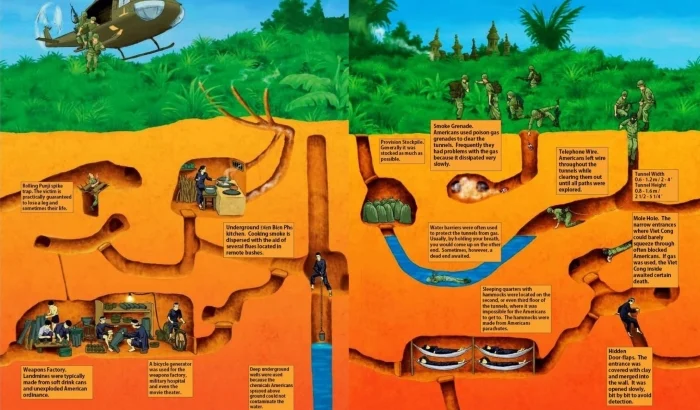
Visitors can observe hidden entrances, camouflage systems, underground shelters, and wartime survival techniques that were once critical to daily life.
The combination of historical storytelling and physical exploration makes this one of the most educational attractions in Vietnam.
4.2 Sightsee the Military Liberation Zone’s Reenactment Areas
Several sections of the site recreate wartime villages and military zones.
These areas include:
- Underground bunkers
- Wartime kitchens
- Camouflaged shelters
- Military planning rooms
The reenactment areas help visitors visualize what life looked like during the conflict and provide a more complete understanding of the wartime environment.
4.3 Play Gun-Shooting and Paintball-Shooting
One of the most popular optional activities is the shooting range.
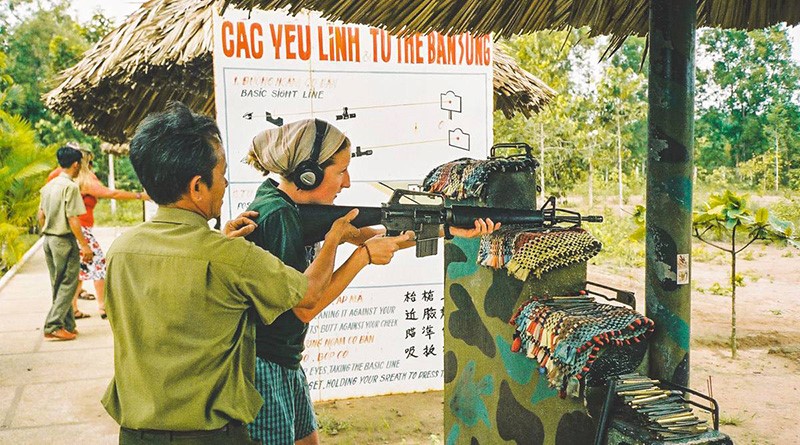
Visitors can try historical firearms such as:
- AK-47
- M16
- K54 pistol
Prices typically range from:
- 20,000 – 60,000 VND per bullet depending on the weapon type
Some recreation zones also offer paintball activities for groups and families looking for a more playful outdoor experience.
Although optional, these activities add another layer of realism and excitement to the visit.
4.4 Try the Swimming Pool in Cu Chi Ben Duoc Tunnels
The Ben Duoc area includes a swimming pool where visitors can relax after exploring the tunnels.

Because southern Vietnam’s weather can be extremely hot and humid, especially around midday, the pool provides a refreshing break after walking through forest paths and underground passages.
This makes Ben Duoc a more diverse destination that combines historical tourism with outdoor recreation.
4.5 Visit Cu Chi Wildlife Rescue Station
Nature lovers may enjoy visiting the Cu Chi Wildlife Rescue Station located near the tunnels.
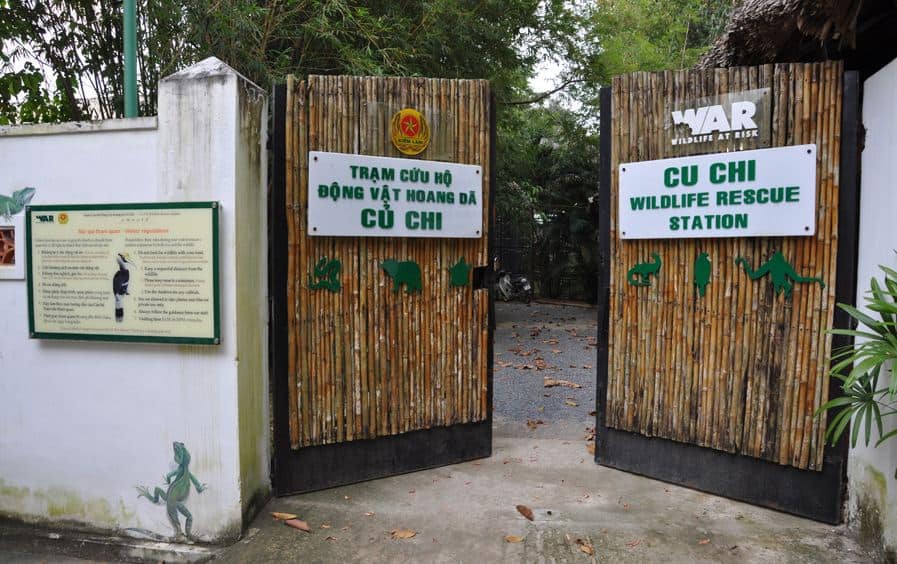
This center rescues and rehabilitates animals affected by illegal hunting and environmental damage. Visitors may see:
- Monkeys
- Birds
- Reptiles
- Native wildlife species
The rescue station also helps raise awareness about wildlife conservation and environmental protection in Vietnam.
4.6 Visit Cu Chi’s Fruit Gardens
Another relaxing activity near the tunnels is visiting local fruit gardens.
Cu Chi is known for tropical fruits such as:
- Rambutan
- Mangosteen
- Durian
- Jackfruit
Depending on the season, visitors can enjoy fresh fruits directly from the gardens while experiencing the peaceful countryside atmosphere of southern Vietnam.
This provides a pleasant contrast to the intense historical atmosphere of the tunnels.
5. What to Eat: Cu Chi Tunnels’ Food
Food is an important part of the Cu Chi experience, especially for travelers interested in local culture and wartime history.
One of the most symbolic foods served at the site is boiled cassava with sesame salt. During the war, cassava was a staple food for soldiers living underground because it was simple, affordable, and easy to grow.
Today, trying cassava has become a traditional part of the Cu Chi Tunnels experience because it gives visitors a small glimpse into wartime survival conditions.
In addition to cassava, nearby restaurants and food stalls offer many southern Vietnamese specialties, including:
- Grilled pork dishes
- Rice paper specialties
- Fresh spring rolls
- Tropical fruits and juices
Many guided tours also include meal stops where visitors can enjoy authentic Vietnamese cuisine after exploring the tunnels.
6. Ticket Prices, Opening Hours & Services (2026 Update)
The Cu Chi Tunnels are open daily from 7:00 AM to 5:00 PM, including weekends and most public holidays.
🎟️ Entrance Ticket Prices
- Vietnamese visitors: 35,000 VND/person
- International visitors: 70,000 – 100,000 VND/person
🔫 Shooting Range Prices
- AK-47, M16, K54 and similar weapons available
- Price: 20,000 – 40,000 VND per bullet
🎯 Other Activities
Additional entertainment activities near the site may include:
- Paintball shooting
- Swimming pool access
- Bike rental
- Kayak activities
Prices vary depending on the service and location.
7. Travel Tips for Visiting Cu Chi Tunnels
To enjoy the experience comfortably, visitors should wear lightweight clothing and comfortable shoes suitable for walking.
It is also recommended to bring:
- Water bottles
- Sunscreen
- Insect repellent
- A small backpack
The tunnels can feel physically challenging due to the narrow spaces and humid conditions. Visitors who experience claustrophobia may prefer exploring only the above-ground areas.
Arriving early in the morning is usually the best option because temperatures are cooler and tour groups are smaller.
Conclusion – Cu Chi Tunnels
The Cu Chi Tunnels are much more than a historical site. They are a powerful symbol of resilience, creativity, and survival during wartime.
Visiting the tunnels in 2026 offers travelers a unique opportunity to step into Vietnam’s history in a way that feels immersive, emotional, and unforgettable. From crawling through underground passages to learning about wartime strategies and tasting traditional foods, every part of the experience leaves a lasting impression.
If you are planning a trip to Ho Chi Minh City, the Cu Chi Tunnels absolutely deserve a place on your itinerary.
📩Contact us here to get a free itinerary and quotation.
WhatsApp Hotline: +84965514942.
Email: info@vietnamjourneysgroup.com