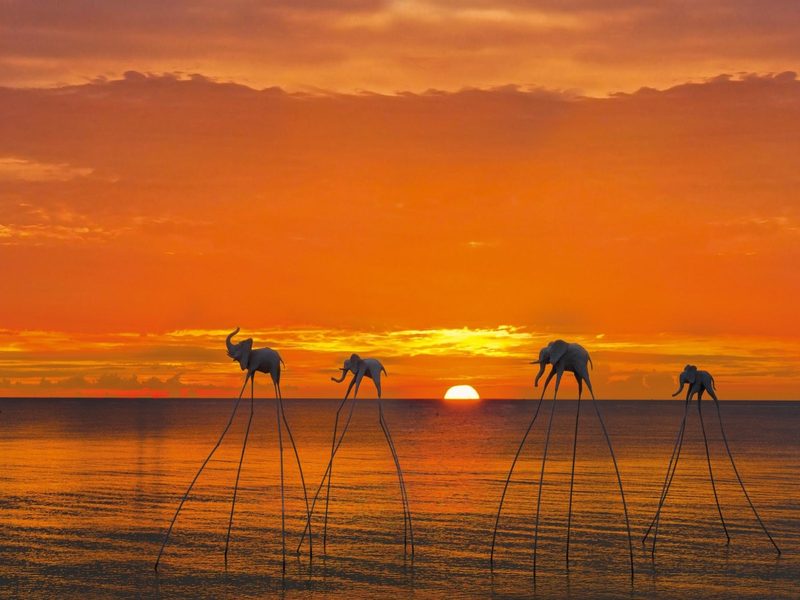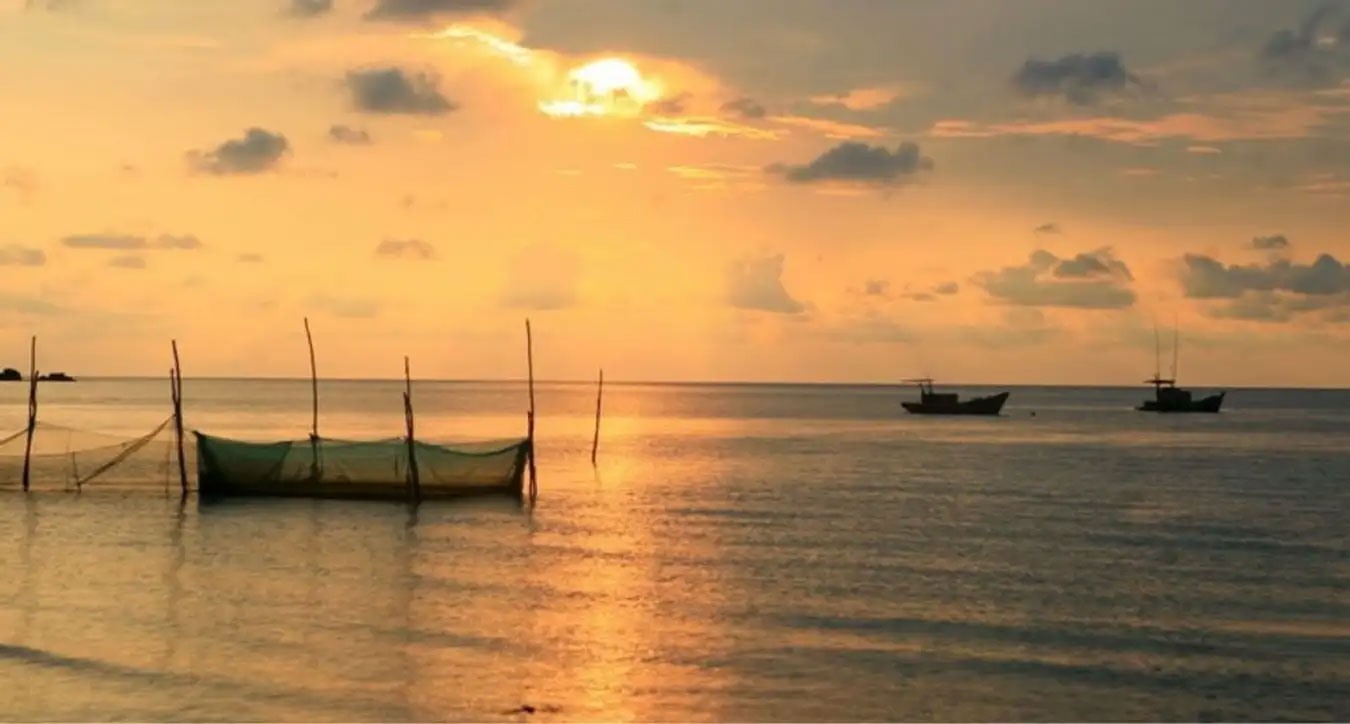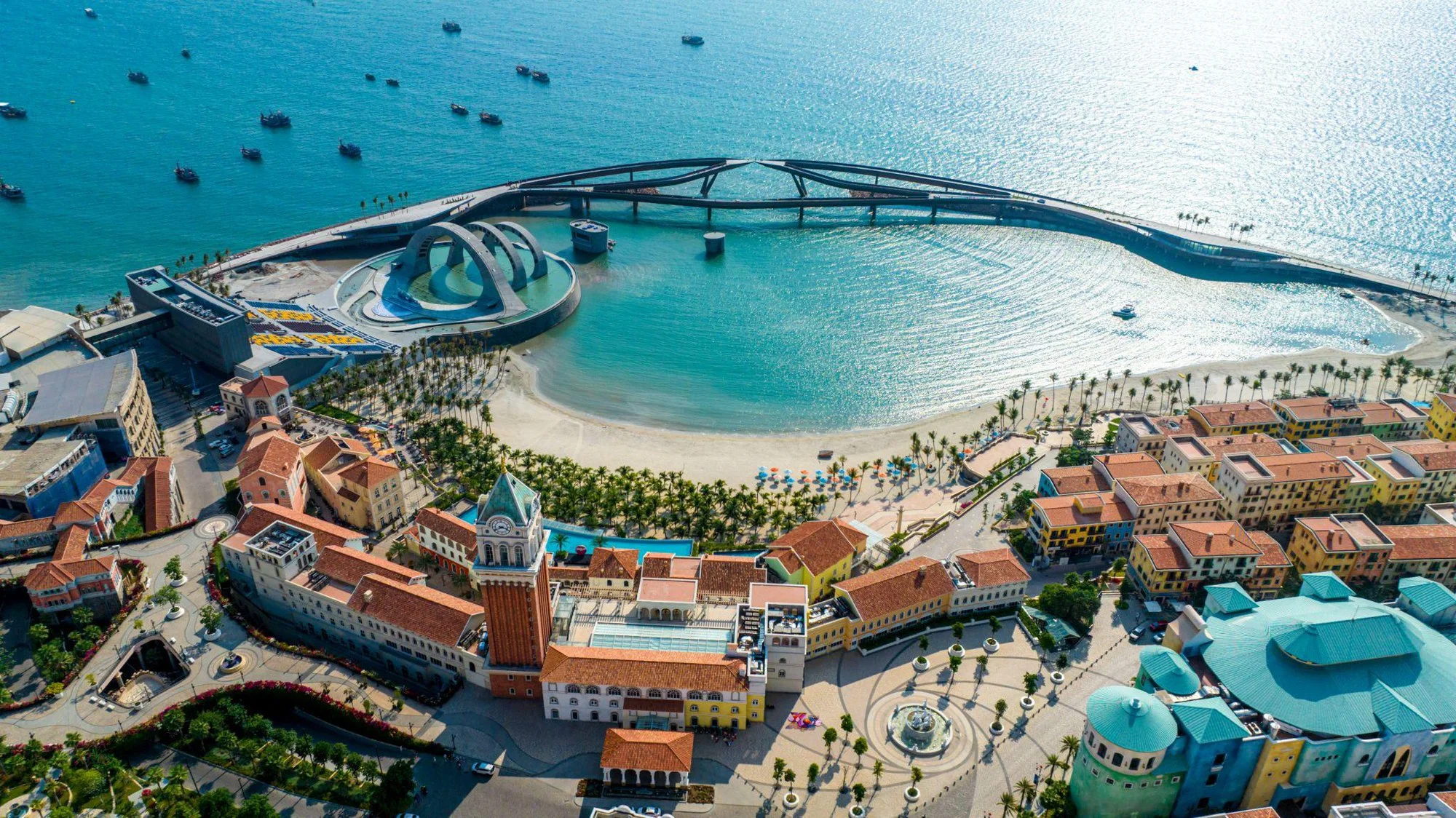
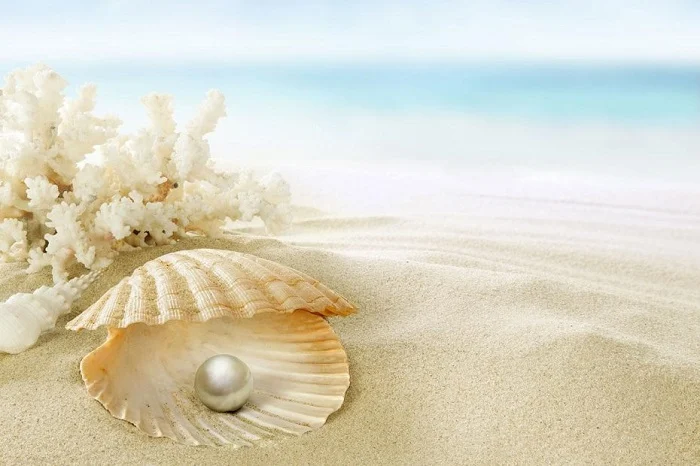
Phu Quoc Pearls – The Iconic Treasure of Vietnam’s Island Paradise. Nestled in the Gulf of Thailand, Phu Quoc is often referred to as “Pearl Island”—a name that reflects not only its pristine beaches and turquoise waters but also one of its most treasured natural gifts: pearls.
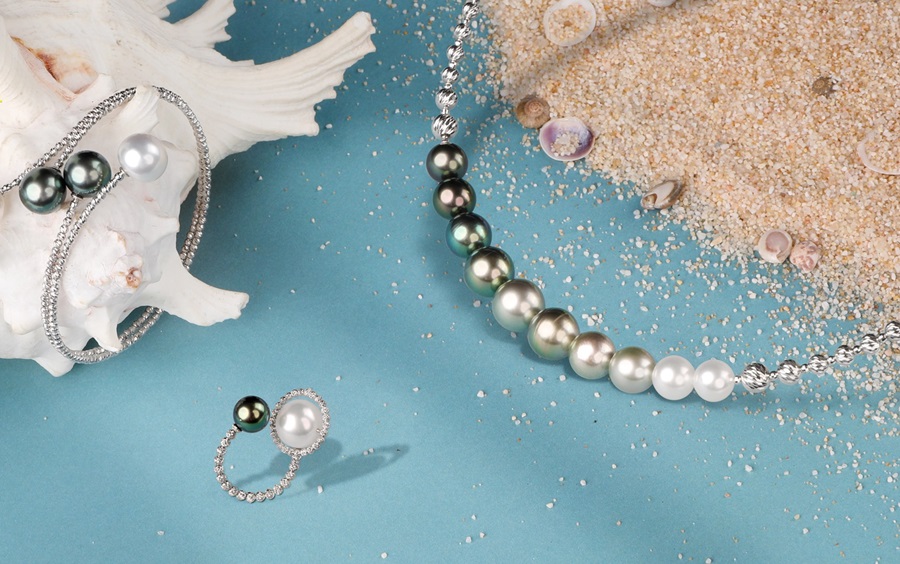
For many travelers, Phu Quoc is a destination of relaxation and tropical beauty. Yet beyond its sunsets and sandy shores lies a deeper story—one shaped by the sea, time, and human craftsmanship. Phu Quoc pearls are more than elegant pieces of jewelry; they are living symbols of the island’s identity, embodying nature’s patience and the artistry of its people.
This article explores how these ocean gems have become an iconic treasure of Vietnam’s island paradise—woven into culture, livelihood, and the very soul of Phu Quoc.
1. The Natural Origins of Phu Quoc Pearls
The story of Phu Quoc pearls begins beneath the surface of its crystal-clear waters. The island’s marine environment offers ideal conditions for pearl cultivation: stable salinity, clean water, and a rich ecosystem filled with nutrients. These elements create the perfect habitat for pearl oysters to thrive.
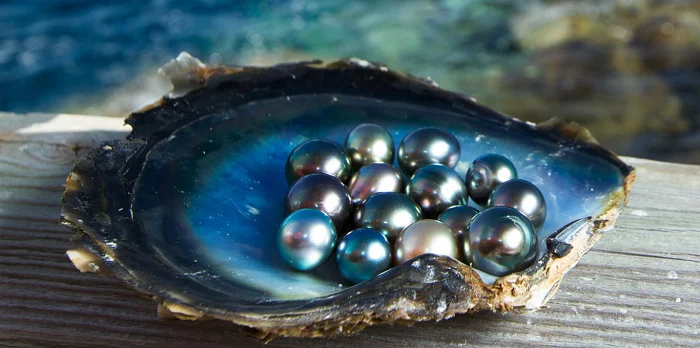
Pearls are formed when an irritant—often a small bead or particle—is introduced into an oyster. In response, the oyster secretes layers of nacre around the irritant, gradually forming a pearl over several years. This slow and delicate process requires both time and a stable environment.
What sets Phu Quoc apart is the purity of its waters and the balance of its ecosystem. Unlike heavily industrialized coastal regions, much of Phu Quoc’s marine environment remains relatively untouched, allowing oysters to grow in healthier conditions. The result is pearls with remarkable luster, smooth surfaces, and natural color variations.
From luminous whites and soft pinks to golden hues and deep blacks, Phu Quoc pearls reflect the colors of the sea and sunlight itself. Each pearl is unique, shaped by natural forces that cannot be replicated.
2. The Art of Pearl Cultivation
While nature provides the foundation, it is human skill that transforms potential into perfection. Pearl cultivation in Phu Quoc is both a science and an art—one that has evolved over decades.
The process begins with selecting healthy oysters. Skilled technicians carefully implant a nucleus into each oyster, a delicate procedure that requires precision and experience. A single mistake can harm the oyster or prevent pearl formation altogether.
After implantation, the oysters are returned to the sea, where they are nurtured for years. Farmers regularly monitor water conditions, clean the shells, and protect the oysters from disease and predators. This long period of care reflects a deep respect for nature’s rhythms.
Harvesting is equally meticulous. Only a small percentage of oysters produce pearls of high quality, making each successful harvest a meaningful achievement. The pearls are then cleaned, sorted, and graded based on luster, shape, size, and color.
In Phu Quoc, this craft is not merely an industry—it is a tradition. Generations of artisans have passed down techniques, blending local knowledge with modern innovations. The result is a harmonious balance between heritage and technology.
3. What Makes Phu Quoc Pearls Unique
Phu Quoc pearls stand out in the global market for several reasons, but their uniqueness goes beyond technical qualities.
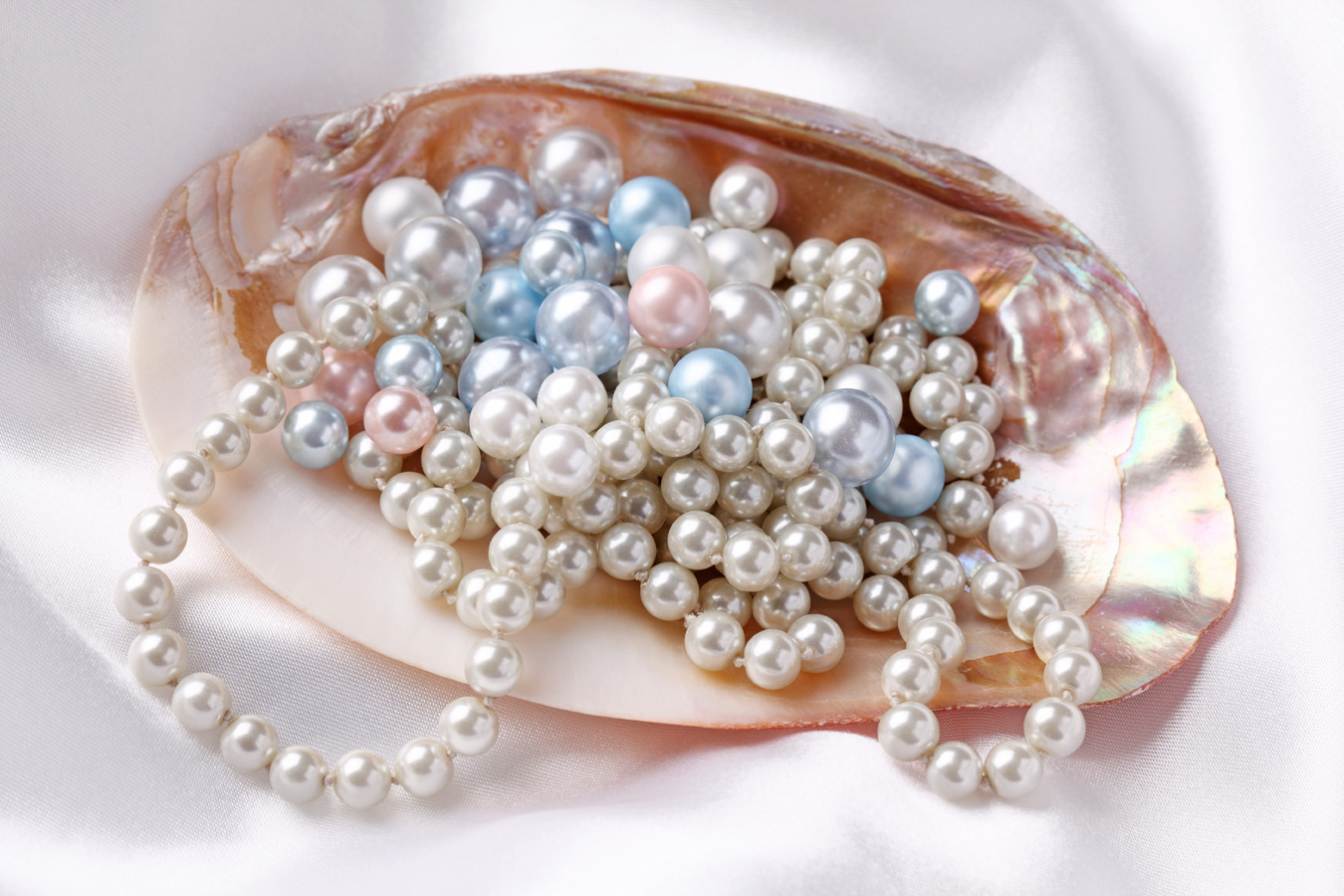
First is their luster—often described as a soft, glowing radiance rather than a sharp shine. This subtle brilliance gives the pearls an understated elegance that appeals to both classic and contemporary tastes.
Second is their diversity of color. While white pearls are the most common, Phu Quoc is also known for producing rare golden and black pearls. These natural variations add depth and individuality to each piece.
Third is their organic character. Unlike mass-produced gemstones, pearls are shaped by living organisms. Slight imperfections are not flaws but signatures of authenticity, reminding us that each pearl is a product of nature.
Compared to pearls from other regions, Phu Quoc pearls often carry a sense of warmth and softness—qualities that reflect the tropical environment in which they are formed.
But perhaps the most defining feature is their story. Each pearl carries within it years of ocean currents, sunlight, and human care. It is this narrative that elevates Phu Quoc pearls from mere accessories to meaningful treasures.
4. Cultural and Symbolic Value
Across many cultures, pearls have long been associated with purity, wisdom, and prosperity. In Vietnam, these meanings are enriched by local traditions and beliefs.
In Phu Quoc, pearls are often seen as gifts from the sea—symbols of harmony between humans and nature. They are given during special occasions such as weddings or anniversaries, representing enduring love and good fortune.
For local communities, pearl farming is more than a livelihood. It is a way of life that connects people to the ocean. The rhythm of tides, seasons, and harvest cycles shapes daily routines and cultural practices.
There is also a poetic dimension to pearls. Formed through patience and resilience, they are often seen as metaphors for transformation—beauty emerging from adversity. This symbolism resonates deeply in a place where life is closely tied to the sea.
In this sense, Phu Quoc pearls are not just objects; they are cultural expressions, carrying stories of both nature and human experience.
5. Phu Quoc Pearls in Modern Life
Today, Phu Quoc pearls have found their place in modern fashion and global markets. They are crafted into necklaces, earrings, rings, and bracelets—pieces that blend traditional elegance with contemporary design.
Designers often pair pearls with gold or silver, creating jewelry that appeals to both local and international audiences. Minimalist styles highlight the natural beauty of the pearls, while more elaborate designs showcase craftsmanship and creativity.
Beyond fashion, pearls have become an integral part of Phu Quoc’s tourism industry. Visitors are drawn not only to purchase jewelry but also to learn about the process behind it.
As a souvenir, a pearl carries deeper meaning than typical travel items. It represents a connection to the island—a tangible memory shaped by the sea.
In an era of mass production, the authenticity of pearls offers something rare: a reminder of nature’s artistry and the value of time.
6. Visiting Pearl Farms in Phu Quoc
One of the most enriching experiences in Phu Quoc is visiting a pearl farm. These visits provide a behind-the-scenes look at the journey from oyster to finished gem.
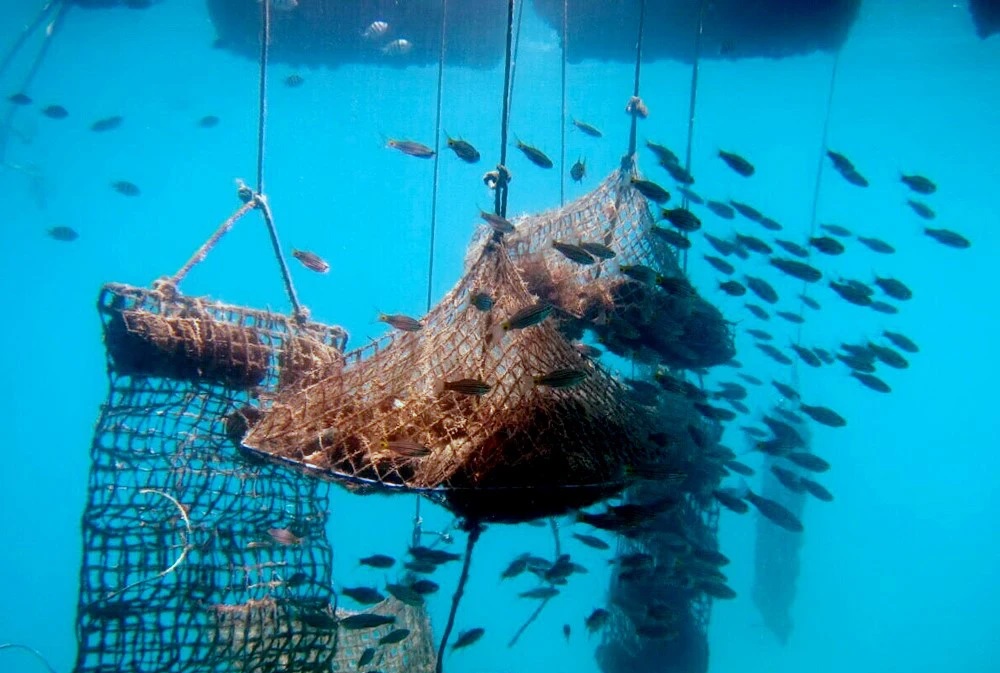
Visitors can observe the cultivation process, from implantation to harvesting. Guided tours often include demonstrations, allowing guests to see the precision and care involved in each step.
Walking through these farms, one gains a deeper appreciation for the patience required to produce a single pearl. It is a process measured not in days or weeks, but in years.
Many farms also feature showrooms where visitors can explore finished products. Even for those not interested in purchasing, the experience offers valuable insight into the island’s culture and craftsmanship.
More importantly, these visits foster a sense of respect—for the ocean, for the artisans, and for the natural processes that make pearls possible.
7. Best Pearl Farms in Phu Quoc
For travelers seeking to explore this unique aspect of the island, several pearl farms stand out for their quality, reputation, and visitor experience.
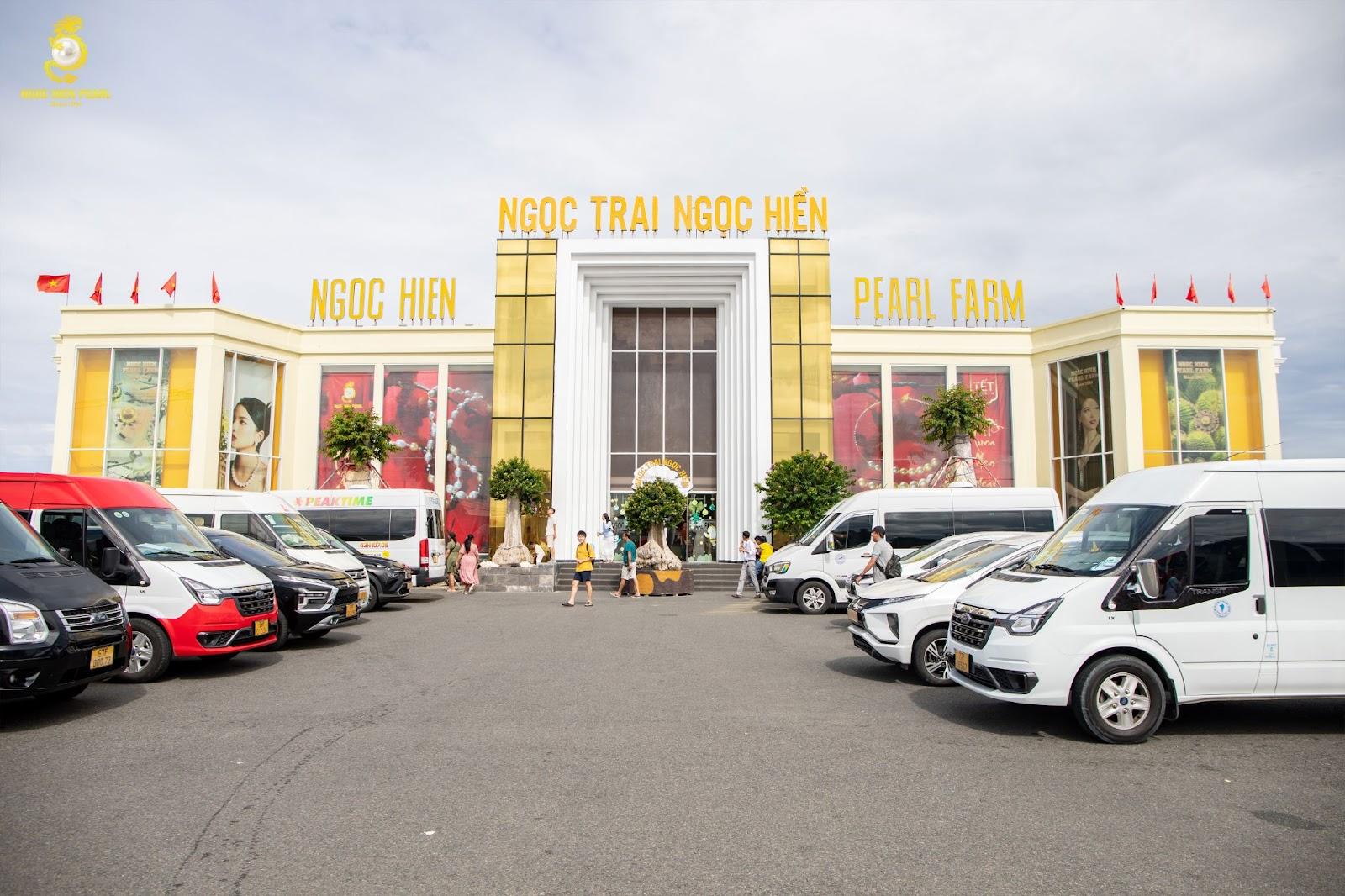
One of the most well-known is Ngoc Hien Pearl Farm. Known for its long history, this farm offers comprehensive tours that guide visitors through each stage of pearl cultivation. Its approachable atmosphere makes it an excellent starting point for first-time visitors.
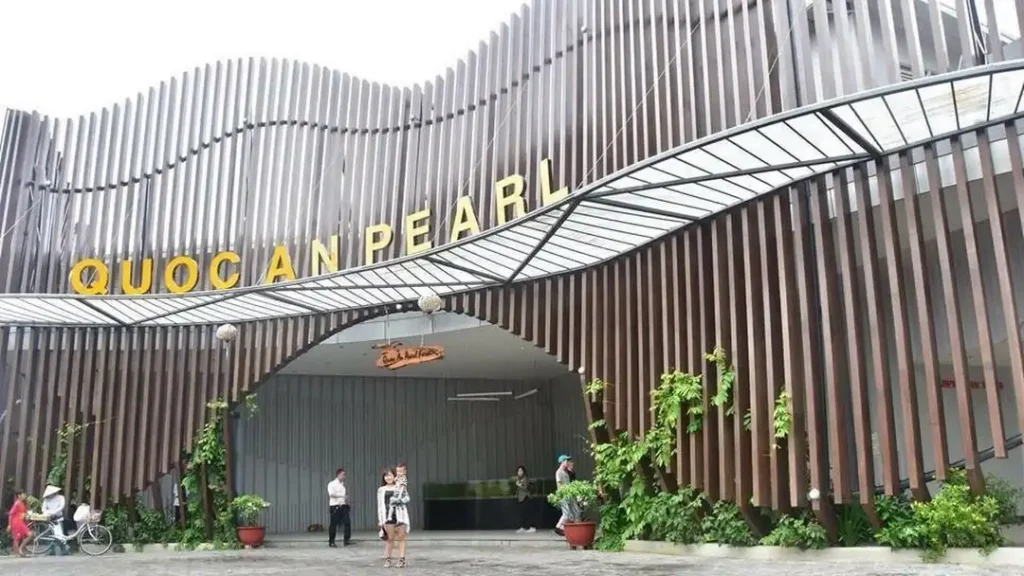
Another notable destination is Quoc An Pearl Farm. This farm emphasizes a closed production process, ensuring quality control from start to finish. Visitors interested in understanding the technical aspects of pearl farming will find this location particularly insightful.
For a more refined experience, Long Beach Pearl stands out as a premium brand. Combining elegant showrooms with educational tours, it offers a seamless blend of culture, craftsmanship, and modern presentation.
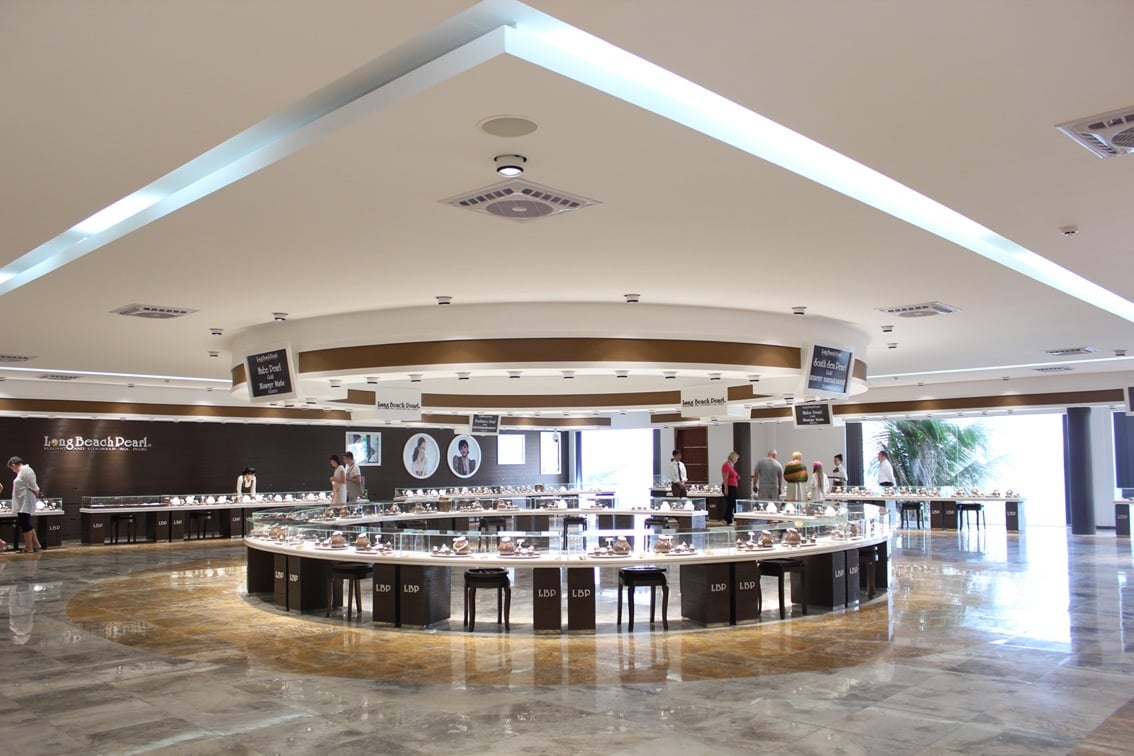
Each of these farms provides a different perspective on the world of pearls, allowing visitors to appreciate the diversity and depth of this craft.
Conclusion – Phu Quoc pearls
Phu Quoc pearls are more than beautiful objects—they are the embodiment of an island’s spirit. Formed through the collaboration of nature and human effort, they represent patience, resilience, and harmony.
From the depths of the ocean to the hands of skilled artisans, each pearl carries a story that reflects the identity of Phu Quoc. It is a story of balance between tradition and innovation, between nature and culture.
In a world that often values speed and convenience, pearls remind us of the beauty of time and process. They invite us to slow down, to appreciate craftsmanship, and to recognize the extraordinary within the ordinary.
As you leave Phu Quoc—whether with a pearl in hand or simply a memory—you carry with you a piece of its essence. Not just a treasure from the sea, but a symbol of the island itself.
If you are planning a trip to Phu Quoc, feel free to contact us for more information, travel tips, and the best experiences on the island.
📩Contact us here to get a free itinerary and quotation.
WhatsApp Hotline: +84965514942.
Email: info@vietnamjourneysgroup.com