


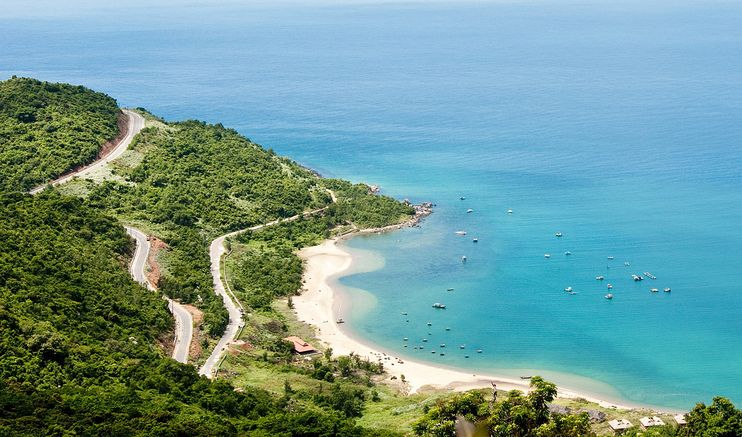
Best Time to Visit Da Nang: Weather & Ideal Travel Season Guide. Da Nang is one of the most popular coastal cities in Vietnam, known for its long beaches, modern infrastructure, and easy access to cultural heritage sites such as Hoi An and Hue. Every year, millions of travelers visit Da Nang to enjoy its natural beauty, food scene, and relaxed atmosphere.

However, one of the most important factors that can significantly affect your travel experience is the weather and timing of your visit. Choosing the right season can mean the difference between sunny beach days and rainy, windy conditions that limit outdoor activities.
This guide provides a detailed breakdown of Da Nang’s weather throughout the year, including seasonal insights, monthly conditions, travel tips, and recommendations for the best time to visit.
1. Overview of Da Nang Weather
1.1 Geographic and Climate Characteristics
Da Nang is located in central Vietnam along the South China Sea coast. The city has a tropical monsoon climate, which means it experiences two distinct seasons:
- A dry season with sunny and warm weather
- A rainy season with higher rainfall and occasional storms
Its coastal location also means humidity is relatively high year-round, but sea breezes help keep the climate more comfortable compared to inland cities.
1.2 General Weather Patterns
- Average temperature: 24°C – 30°C (75°F – 86°F)
- Humidity: 70% – 85%
- Rainfall concentrated in late year months
- Occasional typhoons from September to November
Overall, Da Nang is a year-round destination, but the experience varies greatly depending on the season.
2. Da Nang Weather by Season
2.1 Dry Season (February – August)
The dry season is widely considered the best time to visit Da Nang. During this period, the city enjoys plenty of sunshine, calm seas, and minimal rainfall.
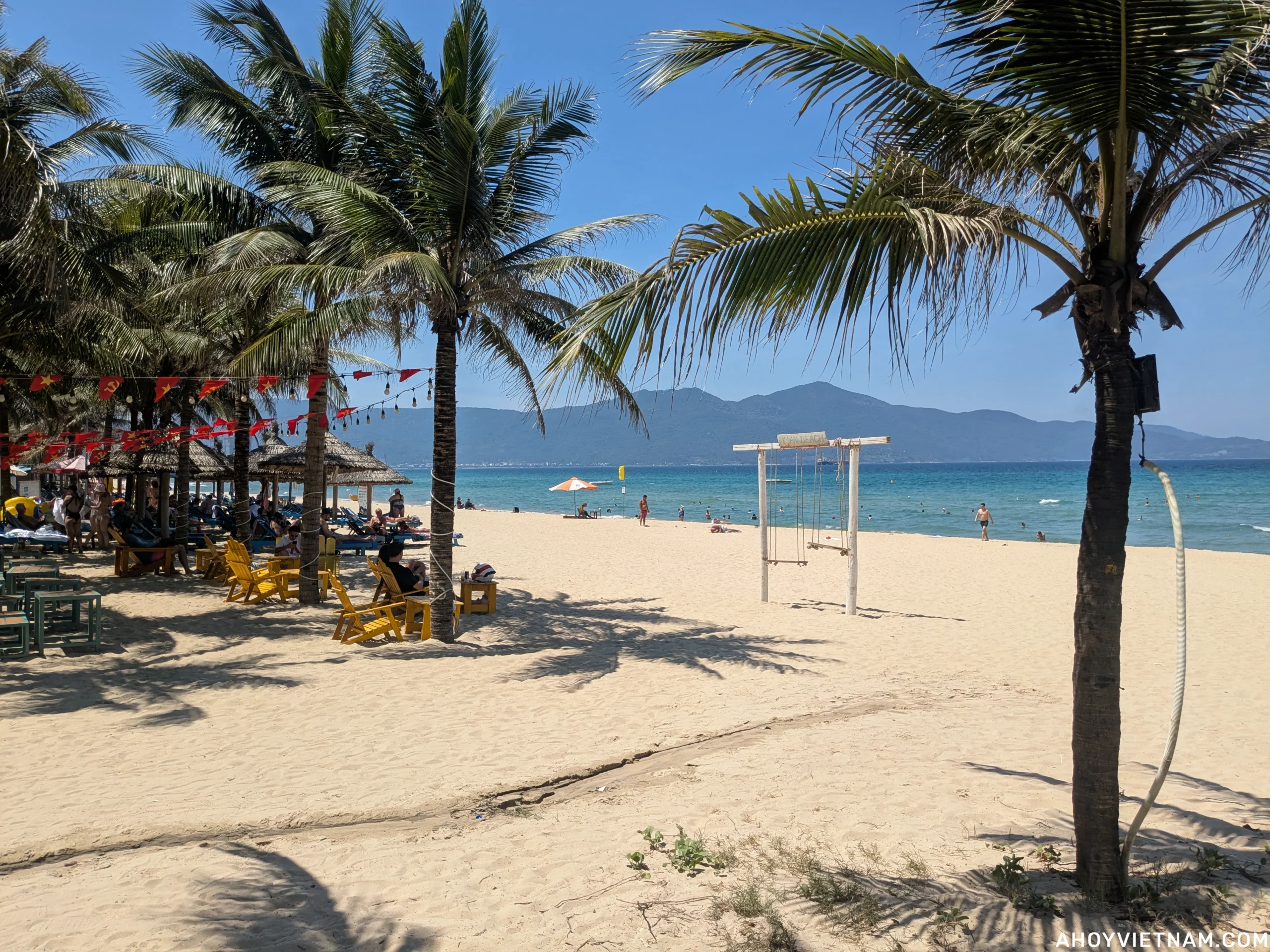
Weather Conditions:
- Clear skies and long sunny days
- Low rainfall
- Warm temperatures, especially from May to August
- Calm ocean conditions
Pros:
- Perfect beach weather
- Ideal for outdoor sightseeing
- Great visibility for photography
- All tourist attractions fully operational
Cons:
- Peak tourist season → crowded attractions
- Higher hotel and flight prices
- Hot temperatures in mid-summer months
This is the best season for activities such as swimming at My Khe Beach, visiting Ba Na Hills, exploring Marble Mountains, or taking day trips to Hoi An.
2.2 Rainy Season (September – January)
The rainy season brings a very different atmosphere to Da Nang. While the city remains beautiful, weather conditions become less predictable.

Weather Conditions:
- Frequent rainfall, especially October–November
- Higher chance of storms or typhoons
- Cloudy skies and cooler temperatures
- Rougher sea conditions
Pros:
- Fewer tourists → quieter experience
- Lower hotel and flight prices
- Great for relaxation and indoor activities
- Lush green landscapes
Cons:
- Outdoor plans may be disrupted
- Beach activities limited
- Possible travel delays during storms
Despite the rain, this season is still suitable for travelers who prefer a peaceful and budget-friendly trip.
3. Best Time to Visit Da Nang (Recommended Periods)
3.1 March – May (Best Overall Time)
This is widely considered the perfect window to visit Da Nang.
- Pleasant temperatures (25–30°C)
- Low rainfall
- Calm seas and clear skies
- Ideal conditions for sightseeing and beach activities
During this period, travelers can enjoy both city exploration and coastal relaxation without extreme heat or heavy crowds.
3.2 June – August (Summer Peak Season)
This is the busiest tourist season in Da Nang.
- Hot but sunny weather
- Excellent beach conditions
- Vibrant city atmosphere
Perfect for:
- Families on vacation
- Group travel
- Beach lovers
However, expect higher prices and crowded tourist attractions.
3.3 September – January (Off-Season Travel)
This period is considered the low season due to rainfall.
- Cheaper accommodation and flights
- Fewer tourists
- Relaxed atmosphere
However:
- Weather can be unpredictable
- Some outdoor tours may be canceled
This is ideal for travelers focused on relaxation, food exploration, or cultural experiences rather than beach activities.
4. Monthly Weather Breakdown
January
- Mild temperatures
- Occasional drizzle
- Transition from rainy to dry season
February
- The weather starts improving
- Less rain, more sunshine
- Comfortable travel conditions
March
- One of the best months
- Clear skies, low humidity
- Perfect for sightseeing
April
- Warm and stable weather
- Ideal beach conditions
May
- Hotter temperatures begin
- Still excellent for beach tourism
June
- Peak summer season begins
- Sunny and lively atmosphere
July
- Hottest month of the year
- Very popular with domestic tourists
August
- Still hot, but slightly more humid
- End of peak summer season
September
- Start of rainy season
- Increasing rainfall
October
- One of the wettest months
- Possible storms
November
- Continued rainfall
- Limited outdoor activities
December
- Weather improves slightly
- Cooler and more comfortable
5. Best Activities by Season
Dry Season Activities
When visiting during the dry season, you can enjoy:
- Swimming at My Khe Beach
- Exploring Ba Na Hills
- Visiting Marble Mountains
- Day trips to Hoi An Ancient Town
- Water sports like kayaking and SUP
Rainy Season Activities
During the rainy season, indoor and relaxed activities are better:
- Spa and wellness treatments
- Café hopping
- Food tours (especially seafood and street food)
- Visiting museums and cultural sites
- Shopping in local markets
6. When to Avoid Visiting Da Nang
If possible, avoid traveling during:
October and November
- Highest rainfall
- Risk of storms and flooding
- Unstable travel conditions
These months can still be enjoyable, but require flexible planning.
7. Travel Tips for Visiting Da Nang
- Always check weather forecasts before booking activities
- Book hotels early during March–August (peak season)
- Bring sunscreen, hats, and light clothing for sunny months
- Pack a raincoat or umbrella if visiting in the rainy season
- Be flexible with outdoor plans during storm season
8. Pros and Cons of Each Season
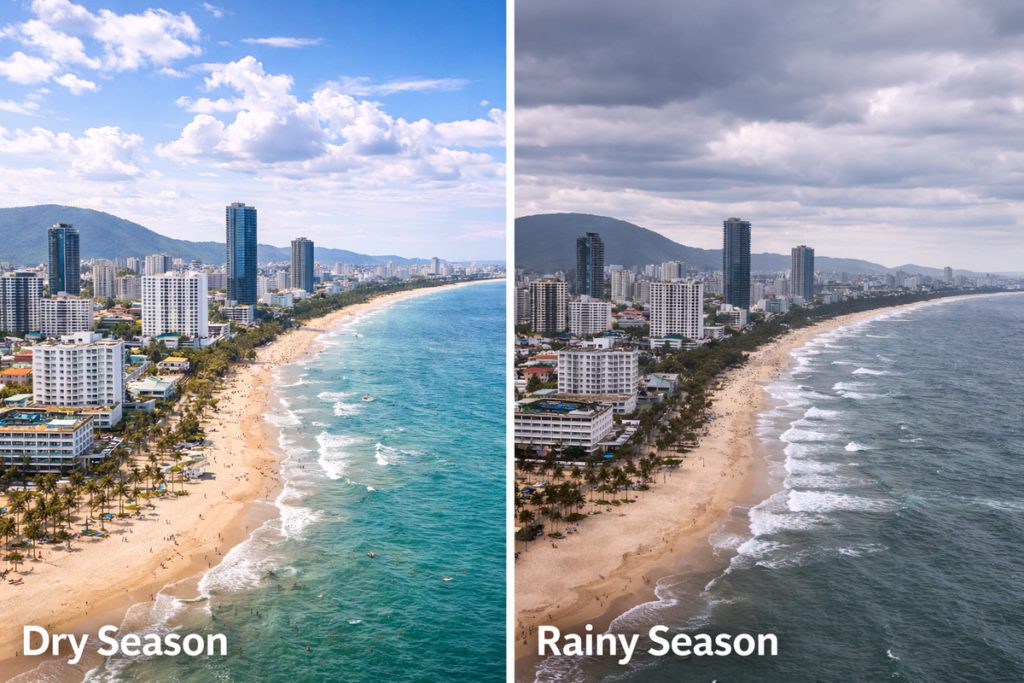
Dry Season (Feb–Aug)
✔ Best weather conditions
✔ Ideal for beach and outdoor activities
✖ Crowded and more expensive
Rainy Season (Sep–Jan)
✔ Cheaper travel costs
✔ Peaceful and less crowded
✖ Rain may disrupt plans
Conclusion – Best Time to Visit Da Nang
Choosing the right time to visit Da Nang plays a crucial role in shaping your travel experience. If you prefer perfect beach weather and outdoor adventures, March to May is the best time to go. If you want a quieter and more budget-friendly trip, the rainy season still offers its own charm.
No matter when you visit, Da Nang remains one of Vietnam’s most attractive destinations thanks to its natural beauty, friendly atmosphere, and diverse activities. With proper planning, you can enjoy this coastal city at any time of the year.
If you need personalized travel advice, itinerary suggestions, or local tips, contact us anytime — we’re here to help you make your Da Nang trip unforgettable.
📩Contact us here to get a free itinerary and quotation.
WhatsApp Hotline: +84965514942.
Email: info@vietnamjourneysgroup.com